Ingredient sourcing note: Some ingredients mentioned in this article are available from The Skin Science Company (theskinsciencecompany.com.au), an Australian cosmetic raw materials supplier. We recommend them based on the quality and availability of their products. We have no commercial, affiliate, or sponsorship relationship with them and receive no payment or commission for these mentions.
The Ultimate DIY Body Lotion Recipe for Silky Smooth Skin
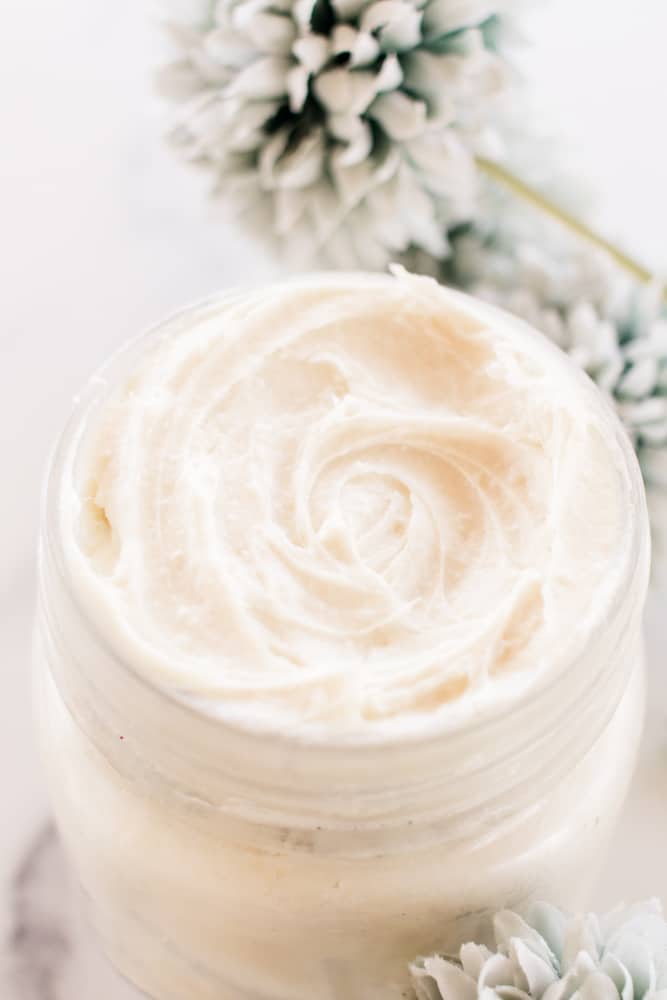
There is something deeply satisfying about crafting your own skincare from scratch. If you have ever stood in the beauty aisle of a chemist in Melbourne or Sydney, squinting at a long list of unpronounceable ingredients, you are not alone. Many of us are turning to a DIY body lotion recipe to take control of what goes onto our skin. Making your own lotion is not just about avoiding “nasties”; it is about creating a high-performance moisturiser tailored to your unique skin needs using professional-grade ingredients like those found at The Skin Science Company. In this guide, you will learn the science of emulsification, the importance of preservation, and how to whip up a velvety lotion that rivals any luxury brand. Whether you are a beginner or an experienced formulator, mastering this foundational recipe will open up a world of creative possibilities for your daily self-care routine.
When you start making your own skincare, you begin to appreciate the delicate balance required to create a stable and effective product. A DIY body lotion recipe is more than just a list of ingredients; it is a careful calculation of percentages and properties. Many store-bought lotions contain a high percentage of water and cheap fillers to keep costs down, but when you formulate at home, you can prioritise high-quality botanical oils and active ingredients that truly nourish the skin. This shift in focus from shelf-life to skin health is what makes DIY skincare so rewarding. You are not just following a recipe; you are becoming a curator of your own skin’s health and vitality.
Understanding the Science: Why Emulsification Matters
To create a true lotion rather than a heavy body butter, you must master the art of the emulsion. A DIY body lotion recipe is essentially a stable mixture of oil and water. Since these two elements naturally repel each other, we use an emulsifying wax to act as a bridge, holding them together in a smooth, creamy consistency. This allows the lotion to deliver deep hydration (from the water phase) while sealing that moisture in with nourishing lipids (from the oil phase). This balance is what gives lotion its lightweight feel and quick absorption, making it perfect for daily use in the Australian climate where heavy creams can sometimes feel too occlusive. Without a proper emulsifier, your lotion would quickly separate into a watery mess, failing to provide the uniform coverage and protection your skin needs.
When you formulate at home, you are acting as a cosmetic chemist. You will be working with three distinct phases: the Water Phase, the Oil Phase, and the Cool Down Phase. Each serves a specific purpose. The water phase provides the hydration your skin craves, the oil phase provides the emollience and barrier protection, and the cool down phase is where we add heat-sensitive actives and preservatives to ensure your creation remains safe and effective for weeks to come. This phased approach is the standard in professional cosmetic manufacturing because it ensures that each ingredient is added at the optimal temperature to maintain its integrity and efficacy. [LINK: essential guide to carrier oils | carrier oils for skin]
The stability of your emulsion also depends on the type of emulsifier you choose. Emulsifying Wax NF is a popular choice for beginners because it is incredibly reliable and creates a thick, creamy lotion with a professional finish. It works by surrounding the oil droplets and preventing them from merging back together, creating a stable network within the water. This process, known as oil-in-water emulsification, is the secret behind the lightweight, non-greasy feel of high-quality lotions. However, for this DIY body lotion recipe, we will stick with the tried-and-tested Emulsifying Wax NF for its ease of use and consistent results.
Choosing Your Ingredients for an Australian Glow
The beauty of a DIY body lotion recipe is the ability to choose ingredients that suit your environment. For those of us dealing with the drying effects of the Australian sun or the harsh winds of a Victorian winter, selecting the right carrier oils is crucial. Sweet almond oil is a fantastic all-rounder, rich in Vitamin E and fatty acids, while shea butter provides a luxurious thickness and intense nourishment. We also include vegetable glycerine, a powerful humectant that draws moisture from the air into your skin, ensuring you stay hydrated throughout the day. By selecting ingredients that are popular in Australia, you are supporting a local ecosystem of skincare enthusiasts and suppliers who understand the unique challenges of our climate.
When selecting your oils, consider their comedogenic rating and fatty acid profile. Sweet almond oil is highly emollient and suitable for most skin types, making it an ideal base for a DIY body lotion recipe. Shea butter, on the other hand, is rich in stearic and oleic acids, which provide a protective barrier on the skin’s surface. This is particularly important for preventing trans-epidermal water loss (TEWL), which is a common cause of dry, itchy skin. By combining these two, you create a lotion that both hydrates and protects, leaving your skin feeling soft and resilient. You might also consider adding a small amount of jojoba oil, which closely mimics the skin’s natural sebum, or avocado oil for its high vitamin content and deep-penetrating properties.
Safety is paramount when working with water-based formulations. Unlike anhydrous (water-free) products like body balms, any recipe containing water requires a broad-spectrum preservative. Without it, your beautiful lotion could become a breeding ground for bacteria and mould within days. We recommend using a modern, paraben-free preservative like Preservative Eco, which is effective and easy to use for home formulators. This ensures your hard work doesn’t go to waste and your skin stays protected. Remember, a preservative is not an “optional” extra; it is a fundamental requirement for any product that contains water. [LINK: how to use natural preservatives | natural skincare preservation]
The Ultimate DIY Body Lotion Recipe
This recipe makes approximately 200g of lotion. It is designed to be lightweight, non-greasy, and incredibly moisturising. Please ensure all your equipment is thoroughly cleaned and sanitised with 70% isopropyl alcohol before you begin. This step is non-negotiable, as even a small amount of contamination can ruin your entire batch and potentially cause skin irritation.
| Ingredient | Amount | Purpose |
|---|---|---|
| Distilled Water | 140g | Hydration (Water Phase) |
| Vegetable Glycerine | 10g | Humectant to retain moisture |
| Sweet Almond Oil | 30g | Nourishing emollient (Oil Phase) |
| Shea Butter (Refined) | 10g | Barrier protection and texture |
| Emulsifying Wax NF | 8g | Binds oil and water together |
| Preservative Eco | 2g | Broad-spectrum preservation |
| Vitamin E Oil | trace | Antioxidant for skin and oils |
| Lavender Essential Oil | 10-15 drops | Natural fragrance and soothing |
Step-by-Step Instructions
- Prepare the Phases: In one heat-proof glass beaker, combine your distilled water and vegetable glycerine (Water Phase). In a second beaker, combine the sweet almond oil, shea butter, and emulsifying wax (Oil Phase).
- The Heat and Hold Method: Place both beakers in a shallow water bath (bain-marie) over medium-low heat. Heat both phases until they reach approximately 70°C. Hold them at this temperature for 20 minutes.
- Emulsify: Remove both beakers from the heat. Slowly pour the Water Phase into the Oil Phase while stirring constantly. For the best results, use a stick blender for 1-2 minutes to create a tight, stable emulsion.
- Cool Down: Continue to stir occasionally as the lotion cools. Once the temperature drops below 40°C, it is time for the Cool Down Phase. Add your Preservative Eco, Vitamin E, and essential oils. Stir thoroughly to ensure even distribution.
- Package and Label: Pour your finished lotion into a clean, sanitised pump bottle or jar.
Tips and Troubleshooting for Perfect Results
If this is your first time trying a DIY body lotion recipe, do not be discouraged if it isn’t perfect immediately. One common issue is “soaping,” where the lotion turns white and takes a while to rub in. This is often caused by the type of emulsifier used or having too much wax in the recipe. To fix this, you can try reducing the emulsifying wax slightly or adding a small amount of a “dry” oil like rosehip oil to the oil phase. Another tip is to ensure you are using a stick blender rather than just a hand whisk; the high-speed mixing is crucial for creating a smooth, non-soaping finish.
Another common challenge is achieving the right scent. When adding essential oils to your DIY body lotion recipe, start with a small amount and build up. For a body lotion, it is often safer to stick with soothing oils like lavender, chamomile, or frankincense. Always perform a patch test before using a new essential oil on a large area of your body. [LINK: sanitising DIY skincare equipment | workshop safety]
Storage is also key to maintaining the quality of your handmade moisturiser. Keep your lotion in a cool, dark place away from direct sunlight. While the preservative will keep it safe from microbial growth, heat can still cause the oils to go rancid over time. Most DIY lotions will last between 3 to 6 months if handled correctly. Always use a pump dispenser if possible, as this minimises the amount of air and bacteria from your fingers that enter the product.
Conclusion: Enjoy Your Handmade Luxury
Making your own skincare is a journey of discovery. Once you have mastered this basic DIY body lotion recipe, the possibilities are endless. You can experiment with different carrier oils like jojoba or avocado, swap lavender for refreshing peppermint, or add botanical extracts to target specific skin concerns. Not only will your skin feel softer and more hydrated, but you will also have the peace of mind that comes from knowing exactly what is in your products. Head over to The Skin Science Company to stock up on the high-quality raw materials you need to bring your skincare visions to life. Your journey to silky smooth, healthy skin starts here, with a single, perfectly crafted batch of lotion.
You May Also Like