The Ultimate Guide to a DIY Oil Cleanser Recipe for Glowing Skin
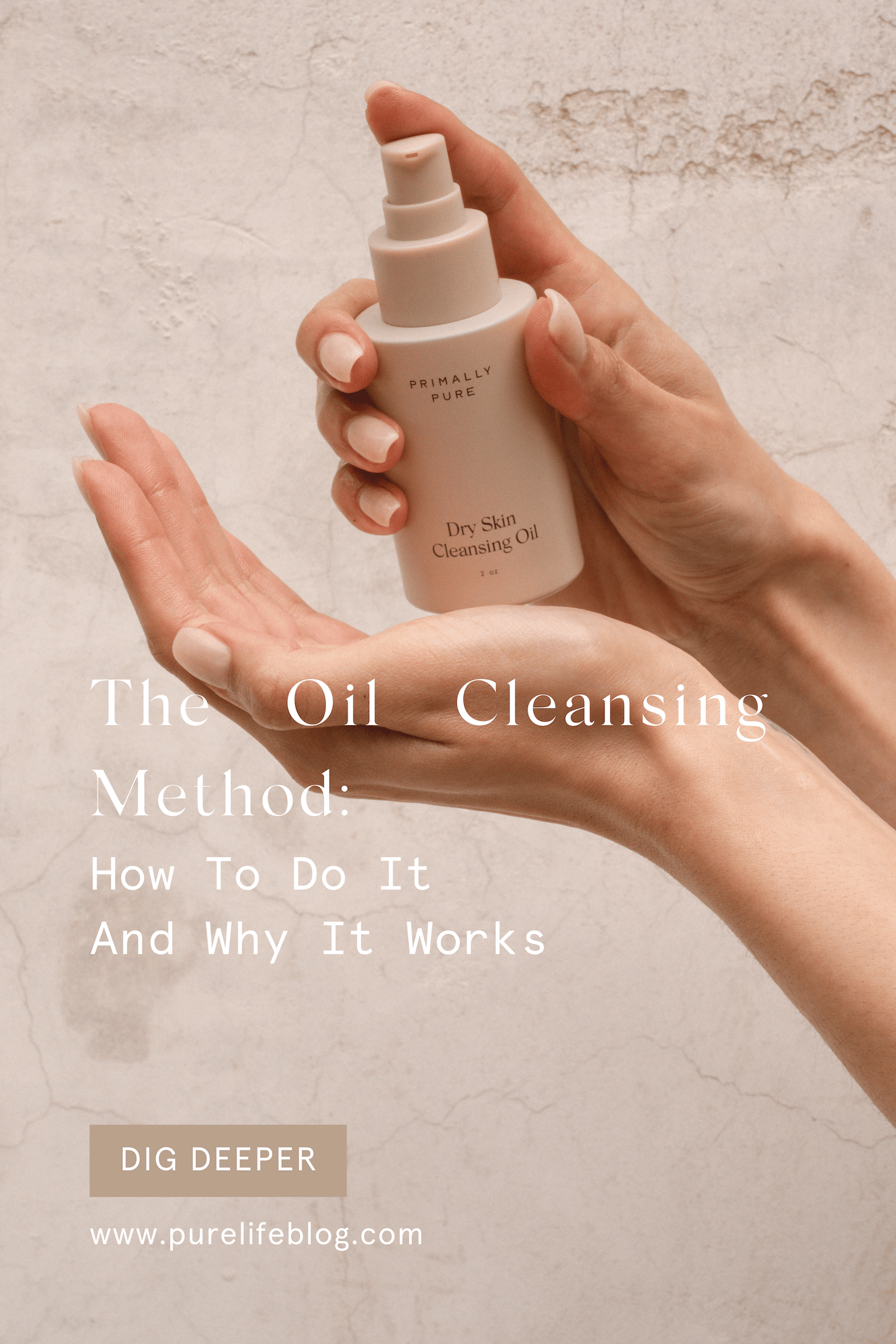
If you have ever felt like your traditional face wash leaves your skin feeling tight, dry, or stripped of its natural oils, you are not alone. This is where the magic of a DIY oil cleanser recipe comes in. Based on the scientific principle that “like dissolves like,” oil cleansing uses high-quality plant oils to gently lift away excess sebum, waterproof makeup, and daily grime without compromising your skin’s health. In this guide, we will explore how to create a professional-grade oil cleanser at home that rinses off perfectly with water, leaving your complexion soft, balanced, and radiant.
Why Oil Cleansing Works: The Science of “Like Dissolves Like”
It might seem counterintuitive to put oil on your face, especially if you struggle with an oily or acne-prone complexion. However, the science behind it is remarkably simple. Most of the impurities on our skin—such as sebum, sunscreen, and long-wear foundation—are oil-based. When you apply a DIY oil cleanser recipe, the oils in the cleanser bind to the oils on your skin. As you massage it in, the cleanser dissolves the hardened plugs of sebum trapped in your pores and lifts away environmental pollutants.
For those living in Australia, where the sun can be particularly intense, we often rely on heavy-duty, water-resistant sunscreens. A well-formulated oil cleanser acts as a powerful first step in your routine, ensuring that every trace of SPF is gone before you move on to your second cleanse or [LINK: moisturiser | choosing the right moisturiser]. This method not only keeps your pores clear but also helps maintain the lipid layer of your skin, which is essential for a healthy, glowing appearance.
Choosing the Best Oils for Your Skin Type
One of the greatest advantages of making your own skincare is the ability to customise the ingredients to suit your unique needs. Not all oils are created equal, and choosing the right base is the secret to a successful DIY oil cleanser recipe. If you have oily or blemish-prone skin, you should look for oils high in linoleic acid, which are lightweight and won’t clog your pores. Grapeseed oil and hemp seed oil are fantastic choices for this skin type as they feel “dry” on the skin and help balance natural oil production. On the other hand, if your skin is naturally dry or mature, you might prefer richer, more nourishing oils like avocado or sweet almond oil to provide an extra boost of hydration.
Jojoba oil is a superstar ingredient that works for almost everyone because its chemical structure is incredibly similar to human sebum. Many Australian DIY enthusiasts also love using locally sourced macadamia oil, which is rich in palmitoleic acid and provides a luxurious, silky feel. When formulating your recipe, consider blending two or three different [LINK: natural carrier oils | benefits of carrier oils] to get a broad range of vitamins and fatty acids. Just remember to always use cosmetic-grade oils to ensure the highest purity and safety for your face.
The Secret Ingredient: Why You Need an Emulsifier
Traditional oil cleansing often involves massaging plain oil into the skin and then using a hot washcloth to steam and wipe it away. While this can be a relaxing ritual, it can also be messy and leave a greasy residue that some people find uncomfortable. To create a modern, high-performance product, your DIY oil cleanser recipe needs an emulsifier. An emulsifier is a special ingredient that allows oil and water to mix, turning the oil into a milky lotion that rinses away easily, taking all the dirt and makeup with it.
In Australia, one of the most accessible and effective emulsifiers for home formulators is Polysorbate 80. It is a liquid ingredient that is easy to work with and ensures a clean rinse without the need for vigorous scrubbing. If you prefer a more natural, plant-derived option, look for Polyglyceryl-4 Oleate, which is becoming increasingly popular in the green beauty community. By including an emulsifier at a concentration of about 10% to 15%, you transform a simple bottle of oil into a sophisticated skincare product that rivals expensive boutique brands. This makes the cleansing process much faster and more convenient for daily use.
Step-by-Step DIY Oil Cleanser Recipe
Now that we understand the components, let us get into the actual making of your cleanser. This recipe is designed to be balanced and effective for most skin types, but feel free to swap the base oils as discussed earlier. Before you begin, ensure that all your equipment—including your mixing bowl and final storage bottle—is thoroughly cleaned and disinfected with rubbing alcohol. Since this recipe does not contain water, it does not strictly require a broad-spectrum preservative, but we will add Vitamin E to help prevent the oils from going rancid over time.
| Ingredient | Amount | Purpose |
|---|---|---|
| Grapeseed Oil | 70ml | Lightweight base oil that dissolves makeup and sebum. |
| Castor Oil | 10ml | Deeply cleanses pores and provides a slight “pull.” |
| Polysorbate 80 | 15ml | The emulsifier that allows the oil to rinse off with water. |
| Vitamin E Oil | 5ml | Antioxidant to protect the oils and nourish the skin. |
| Lavender Essential Oil | 5 drops | Provides a calming scent and soothing properties. |
To make your cleanser, simply follow these easy steps:
- Measure out your oils into a clean glass beaker or bowl.
- Add the Polysorbate 80 to the oil mixture. You will notice it is quite thick, so make sure to stir well until it is fully incorporated.
- Stir in the Vitamin E oil and your chosen essential oils.
- Pour the mixture into a 100ml amber glass bottle. A pump top is usually the most practical choice for dispensing oil cleansers.
- Give the bottle a good shake before your first use to ensure everything is perfectly blended.
How to Use Your New Cleanser for Best Results
Using your DIY oil cleanser recipe correctly is just as important as the formulation itself. To get the most out of your product, always start with dry hands and a dry face. Take one or two pumps of the oil and gently massage it over your entire face in circular motions. Spend about 60 seconds focusing on areas where you have the most congestion, such as around the nose and chin, and gently work it over your eyelashes to dissolve mascara.
Once you have thoroughly massaged the oil, wet your hands with warm water and continue to massage your face. Rinse your face thoroughly with lukewarm water until all the milkiness is gone. For the ultimate skincare routine, many experts recommend a “double cleanse” method. This involves following your oil cleanse with a gentle water-based wash. You can learn more about this in our [LINK: double cleansing guide | how to double cleanse] to see if it is right for your skin type. Your skin should feel soft and clean.
Troubleshooting and Storage Tips
When you first start using a DIY oil cleanser recipe, your skin might go through a brief adjustment period. If you find that the oil is not rinsing off as cleanly as you would like, you can try increasing the amount of Polysorbate 80 in your next batch by about 2% or 3%. Conversely, if your skin feels slightly dry after rinsing, you may want to reduce the emulsifier or swap the castor oil for more jojoba or sweet almond oil. Remember that castor oil is a very powerful cleanser, and using too much of it can sometimes be drying.
Store your cleanser in a cool, dark place, such as a bathroom cupboard. Using an amber or cobalt glass bottle helps protect the delicate fatty acids from UV damage. With the addition of Vitamin E, your homemade cleanser should stay fresh for about six months. Making smaller batches more frequently is a great way to ensure you are always using the freshest ingredients possible.
Conclusion: Embrace the Glow with Your Homemade Creation
Creating your own skincare is a rewarding journey that allows you to take control of what goes onto your body. By mastering this DIY oil cleanser recipe, you have taken a significant step toward a more mindful and effective beauty routine. Whether you are trying to tackle stubborn waterproof makeup or simply want to achieve that healthy, “lit-from-within” glow, oil cleansing offers a gentle yet powerful solution for all skin types.
We hope you feel inspired to head to your kitchen and start experimenting with different oil blends. Don’t be afraid to tweak the recipe until it feels perfect for your unique complexion. If you enjoyed this project, be sure to check out our other tutorials, such as how to make a [LINK: DIY face serum | homemade facial serums], to complete your natural skincare ritual. Happy formulating, and here is to the clearest, softest skin of your life!
You May Also Like