Introduction: Revive Your Tresses with a DIY Hair Mask for Dry Damaged Hair
The Australian sun is a double-edged sword. While we love our beach days and outdoor lifestyle, the harsh UV rays, salt water, and dry winds can take a serious toll on our hair. If you have noticed your once-vibrant locks looking a bit dull, feeling brittle, or suffering from persistent frizz, you are not alone. Many of us struggle with the aftermath of environmental exposure and heat styling. However, you do not need to spend a fortune at a high-end salon to restore your hair’s natural shine and strength. A simple, nutrient-rich DIY hair mask for dry damaged hair can provide the intensive hydration and repair your strands are craving, all from the comfort of your own kitchen.
In this comprehensive guide, we will explore why natural ingredients are often superior to store-bought treatments for deep conditioning. You will learn about the specific vitamins and fatty acids that target hair damage at its source. We have also included a tried-and-tested recipe that uses common household staples to create a powerhouse treatment. Whether you are dealing with split ends from over-styling or dryness from the summer heat, this DIY approach is a sustainable and effective way to achieve silky, healthy hair. Let’s dive into the science of hair repair and discover how to transform your routine with a homemade DIY hair mask for dry damaged hair.
Why Your Hair Needs a DIY Hair Mask for Dry Damaged Hair
Hair damage is more than just a surface-level issue. When the outer layer of the hair shaft, known as the cuticle, becomes lifted or worn away, the inner cortex is left exposed. This leads to moisture loss, protein depletion, and a lack of elasticity. In Australia, our unique climate plays a significant role in this process. The intense summer heat can strip away natural oils, while the salt from our beautiful coastlines can crystallise on the hair, causing friction and breakage. Using a DIY hair mask for dry damaged hair helps to seal the cuticle and replenish the essential lipids that keep hair flexible and resilient.
Regular conditioners are great for daily maintenance, but they often contain silicones that merely coat the hair rather than nourishing it. A deep-penetrating mask, on the other hand, is designed to sit on the hair for a longer period, allowing ingredients like avocado and honey to work their magic. By incorporating a DIY hair mask for dry damaged hair into your weekly ritual, you are giving your hair the intensive care it needs to withstand the elements. It is an act of self-care that not only improves the appearance of your hair but also strengthens its structural integrity over time.
Understanding the signs of damage is the first step toward recovery. If your hair tangles easily, feels rough to the touch, or lacks its usual “bounce,” it is likely crying out for moisture. Brittle ends that snap when stretched are a clear indicator of protein deficiency. A well-balanced DIY hair mask for dry damaged hair addresses both hydration and strength, ensuring your hair remains soft yet strong. This holistic approach to hair care is why many Australians are turning back to traditional, natural remedies that have stood the test of time.
Key Ingredients for Deep Hydration and Repair
When crafting a DIY hair mask for dry damaged hair, the quality of your ingredients is paramount. Each component should serve a specific purpose in the repair process. Avocado is perhaps the most celebrated ingredient for dry hair, and for good reason. It is packed with monounsaturated fatty acids and vitamin E, which provide deep moisture and protect the hair from oxidative stress. When mashed into a smooth paste, avocado acts as a luxurious base for any treatment, leaving the hair feeling incredibly soft and manageable.
Honey is another powerhouse ingredient that should be a staple in your DIY toolkit. As a natural humectant, honey attracts and retains moisture from the air, making it ideal for parched strands. It also has antimicrobial properties that can help maintain a healthy scalp environment. For the best results, look for raw, local Australian honey, which is often richer in enzymes and antioxidants. Combining honey with a carrier oil ensures that the moisture is locked in, preventing it from evaporating during the day.
Coconut oil and olive oil are the heavy hitters when it comes to lipid replacement. Coconut oil is unique because its molecular structure allows it to penetrate the hair shaft more deeply than most other oils, reducing protein loss during washing. Olive oil, meanwhile, is an excellent emollient that adds instant shine and smooths down the hair cuticle. Depending on your hair’s thickness, you might choose one over the other or use a blend of both. For those with particularly damaged hair, adding an egg yolk can provide a much-needed protein boost, helping to “patch up” the gaps in the hair’s structure.
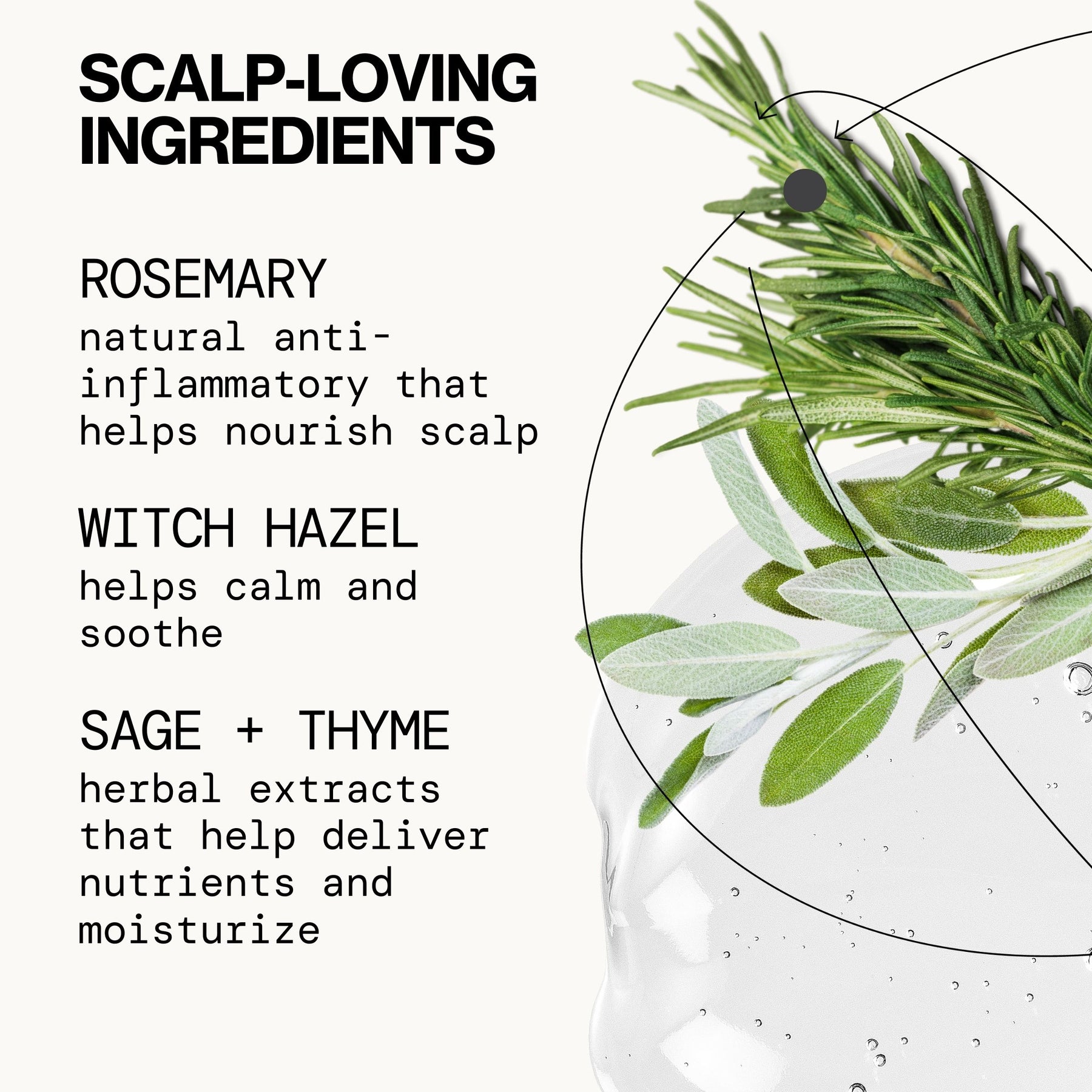
Don’t forget the power of essential oils to enhance your DIY hair mask for dry damaged hair. Rosemary oil is fantastic for stimulating the scalp, while lavender oil can provide a calming scent and additional shine. If you are interested in more targeted scalp treatments, you might also want to check out our guide on [LINK: DIY rosemary hair growth serum | hair growth] to complement your masking routine. Using these natural extracts allows you to customise your mask to your specific needs, whether you are focusing on repair, growth, or simply a moment of relaxation.
Step-by-Step DIY Hair Mask for Dry Damaged Hair Recipe
Creating your own DIY hair mask for dry damaged hair is a rewarding process that allows you to control exactly what goes onto your hair. This recipe is designed to be a balanced treatment, providing both moisture and protein for optimal repair. It is a simple, effective, and customisable formula that you can adjust based on your hair’s length and thickness. Before you begin, ensure your hair is clean and slightly damp, as this will help the mask to penetrate more effectively. Here is everything you will need to get started on your journey to healthier hair.
| Ingredient | Amount | Purpose |
|---|---|---|
| Ripe Avocado | 1/2 (medium) | Rich in fatty acids and vitamin E for deep hydration and softness. |
| Extra Virgin Olive Oil | 1 tablespoon | Acts as an emollient to smooth the hair cuticle and add shine. |
| Raw Australian Honey | 1 tablespoon | A natural humectant that attracts and locks in moisture. |
| Coconut Oil (Melted) | 1 tablespoon | Penetrates the hair shaft to reduce protein loss and strengthen. |
| Egg Yolk (Optional) | 1 large | Provides a protein boost for brittle, snapping hair. |
To prepare your DIY hair mask for dry damaged hair, start by mashing the avocado in a small bowl until it is completely smooth and free of lumps. This is a crucial step, as any chunks will be difficult to rinse out later. Once the avocado is smooth, whisk in the olive oil, honey, and melted coconut oil until the mixture has a creamy, uniform consistency. If your hair is particularly damaged or brittle, now is the time to add the egg yolk and whisk it in thoroughly. If you have very long or thick hair, you may want to double the recipe to ensure full coverage from root to tip.
When you are ready to apply the mask, section your hair into four parts to make the process more manageable. Start at the ends, which are usually the most damaged, and work your way up toward the roots. Massage the DIY hair mask for dry damaged hair into each section, ensuring every strand is well-coated. Once applied, tie your hair up in a loose bun and cover it with a shower cap or a warm, damp towel. The heat will help to open the hair cuticle, allowing the nutrients to sink in deeply. Leave the mask on for at least 20 to 30 minutes before rinsing thoroughly with lukewarm water and a gentle, sulphate-free shampoo.
How to Get the Best Results from Your Hair Treatment
Consistency is key when using a DIY hair mask for dry damaged hair. For most people, once a week is the perfect frequency to maintain moisture levels without weighing the hair down. If your hair is severely damaged from chemical treatments or excessive heat, you might benefit from using the mask twice a week for the first month. Over time, as your hair becomes healthier and more resilient, you can reduce the frequency. Remember that hair repair is a gradual process, and you will likely see the best results after three or four consecutive treatments.
Another tip for maximizing the effectiveness of your DIY hair mask for dry damaged hair is to use it as a pre-wash treatment. Applying the mask to dry or slightly damp hair before shampooing allows the oils to protect the hair from the stripping effects of surfactants. This is particularly beneficial for those with curly or coarse hair that tends to be naturally drier. If you prefer a more sustainable approach to your hair care routine, you might also consider following up your mask with a [LINK: DIY conditioner bar | sustainable hair care] for a truly eco-friendly experience. These solid bars are great for sealing in the moisture provided by your deep conditioning treatment.
Temperature also plays a role in how well your hair absorbs the treatment. While a warm towel is excellent for opening the cuticle, avoid using hot water when rinsing out a mask that contains egg. Hot water can “cook” the egg in your hair, making it extremely difficult to remove. Stick to lukewarm or cool water for the final rinse to help seal the cuticle and lock in all that goodness. For an extra boost of shine, a final rinse with a diluted apple cider vinegar solution can help balance the pH of your scalp and hair, leaving it looking glossy and healthy.
Troubleshooting and Tips for Different Hair Types
Not all hair is created equal, and your DIY hair mask for dry damaged hair should reflect that. If you have fine hair that is easily weighed down, you might find that coconut oil is a bit too heavy. In this case, try substituting it with jojoba oil or argan oil, which are lighter and more easily absorbed. You can also focus the application primarily on the mid-lengths and ends, avoiding the roots to prevent a greasy appearance. For those with thick, coarse, or highly porous hair, don’t be afraid to be generous with the oils and leave the mask on for up to an hour for maximum penetration.
One common issue people face is difficulty rinsing out the mask, especially when using honey or avocado. To avoid this, ensure your avocado is perfectly ripe and blended until it is like a smooth lotion. If you find your hair still feels a bit oily after shampooing, a second light wash with a clarifying shampoo can help. However, be careful not to over-wash, as this can undo the benefits of the mask. Learning about the properties of different [LINK: natural skincare ingredients | raw materials] can help you further customise your recipes for both hair and skin, ensuring you are using the best possible combinations for your unique needs.
If you find that your hair feels stiff or “crunchy” after a protein-heavy mask (like one with egg yolk), it may be a sign of protein overload. This happens when the hair has too much protein and not enough moisture. To fix this, simply follow up with a moisture-only mask (using just avocado, honey, and oils) for your next treatment. Balancing protein and moisture is an art, but with a little experimentation, you will soon find the perfect DIY hair mask for dry damaged hair that works for you. Don’t be discouraged if your first attempt isn’t perfect; every hair journey is unique, and your locks will thank you for the extra attention.
Conclusion: Start Your Hair Repair Journey Today
Restoring dry and damaged hair does not have to be a complicated or expensive endeavour. By harnessing the power of natural, nutrient-rich ingredients, you can create a DIY hair mask for dry damaged hair that rivals any professional treatment. From the deep hydration of avocado to the moisture-locking properties of honey and coconut oil, these simple additions to your routine can make a world of difference. Your hair is an investment, and taking the time to nourish it with a homemade mask is a step toward long-term health and vitality. Whether you are prepping for a special event or just want to feel your best every day, a deep conditioning treatment is the ultimate pick-me-up for your tresses.
We hope this guide has inspired you to raid your pantry and start your own hair repair journey. Remember to be patient with your hair and listen to what it needs, whether it’s more moisture, a bit of protein, or a break from heat styling. If you enjoyed this recipe, be sure to explore our other DIY tips and tricks for natural beauty. Sharing your results with friends or on social media is a great way to spread the word about sustainable, effective hair care. There is nothing quite like the feeling of soft, shiny, and healthy hair, and with your new DIY hair mask for dry damaged hair, that feeling is just one treatment away. Happy masking!
You May Also Like