Plastic-Free Skincare: How to Package Your DIY Products Sustainably
The beauty industry has a significant plastic problem, with billions of units of packaging produced every year that often end up in our oceans or landfills. As a home formulator, you have a unique opportunity to lead the change by choosing plastic free skincare packaging DIY solutions that align with your values and protect the environment. Transitioning to sustainable packaging isn’t just about being “green”; it’s about creating a more premium, thoughtful, and high-quality product that resonates with the growing community of eco-conscious enthusiasts in Australia and beyond.
In this guide, we will explore the various materials and methods you can use to package your handmade creations without relying on single-use plastics. Whether you are making a simple face oil or a complex emulsion, there is a sustainable alternative waiting to be discovered. By focusing on plastic free skincare packaging DIY, you can ensure that your skincare routine is as kind to the planet as it is to your skin, reducing your carbon footprint one jar at a time.
What Is Plastic-Free Skincare Packaging?
Plastic-free skincare packaging refers to the use of containers and wrapping materials that do not contain synthetic polymers derived from petroleum. In the context of DIY skincare, this means moving away from the standard plastic pump bottles, squeeze tubes, and PET jars that have dominated the market for decades. Instead, formulators look toward materials that are either infinitely recyclable, compostable, or designed for long-term reuse. This shift is a cornerstone of the zero waste beauty movement, which aims to eliminate the concept of “trash” from our personal care routines.
Choosing plastic-free options often involves a return to traditional materials like glass and metal, or the adoption of innovative new solutions like mushroom packaging or bamboo. For the home formulator, it also means rethinking the state of the product itself. For example, by creating solid bars instead of liquid lotions, you can eliminate the need for a plastic bottle entirely, opting instead for a simple compostable paper wrap or a reusable aluminium tin. This holistic approach to sustainability ensures that every aspect of your product—from the ingredients to the outer box—is ethically sourced and environmentally responsible.
Benefits of Plastic-Free Skincare Packaging DIY for Skin
While the primary motivation for going plastic-free is environmental, there are several surprising benefits for the quality and safety of your skincare products. Here are the top reasons why sustainable packaging is a superior choice for your skin:
| Benefit | Description |
|---|---|
| Chemical Safety | Many plastics contain endocrine disruptors like BPA or phthalates that can leach into oil-based skincare products over time. Glass and aluminium are non-reactive and inert, ensuring your formula remains pure. |
| UV Protection | Using dark-coloured glass (like amber or cobalt blue) provides excellent protection against ultraviolet light, which can degrade sensitive botanical oils and antioxidants in your DIY recipes. |
| Product Integrity | Glass is impermeable to oxygen, meaning your oils and creams are less likely to oxidise or go rancid compared to being stored in certain types of thin plastic. |
| Aesthetic Experience | There is a psychological benefit to using high-quality materials. The weight and feel of a glass jar or a metal tin enhance the ritual of skincare, making it feel more like a luxury treatment. |
Beyond these physical benefits, choosing plastic free skincare packaging DIY provides peace of mind. Knowing that your beauty routine isn’t contributing to the global microplastic crisis allows you to enjoy your self-care rituals with a clear conscience. Furthermore, for those with sensitive skin, avoiding potential plastic-related irritants is an extra layer of protection that shouldn’t be overlooked.
What You Need for Sustainable Packaging
To get started with your sustainable packaging journey, you’ll need to stock up on a few versatile containers. Here is a list of essential items for a plastic-free DIY kit:
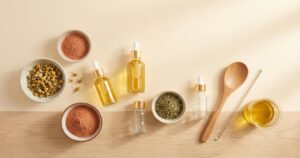
- Amber Glass Jars: Ideal for creams, balms, and body butters. The dark glass protects ingredients from light degradation.
- Glass Dropper Bottles: Perfect for face oils and serums. Ensure the bulb is made of natural rubber if possible, though this is one area where small amounts of plastic/rubber are often still used for functionality.
- Aluminium Tins: These are lightweight, durable, and infinitely recyclable. They are excellent for lip balms, solid perfumes, and salves.
- Cardboard Push-Up Tubes: A fantastic option for deodorants or solid lotion bars. These are fully compostable once empty.
- Stainless Steel Lids: Whenever possible, choose metal lids over plastic ones to ensure your entire container is plastic-free.
- Seed Paper Labels: Instead of vinyl stickers, use paper labels or even seed paper that can be planted after use.
Step-by-Step Recipe: Plastic-Free Solid Lotion Bar
One of the best ways to embrace plastic free skincare packaging DIY is to create a product that doesn’t require a bottle at all. This solid lotion bar is nourishing, easy to make, and can be stored in a simple reusable tin or wrapped in wax paper.
- Prepare Your Workspace: Clean and sterilise all your equipment and your aluminium tin or reusable glass jar using high-proof alcohol.
- Melt the Base: In a double boiler, combine 50g of beeswax (or candelilla wax for a vegan version), 50g of cocoa butter, and 50g of coconut oil. Heat gently until fully melted.
- Add Nourishing Oils: Remove from heat and stir in 1 tablespoon of jojoba oil or sweet almond oil. This adds a boost of vitamin E and essential fatty acids.
- Scent Your Bar: Once the mixture has cooled slightly but is still liquid, add 10-15 drops of your favourite skin-safe essential oil (like lavender or frankincense).
- Pour and Set: Carefully pour the liquid into a silicone mould or directly into your aluminium tin. Let it sit at room temperature for several hours or place it in the fridge for 30 minutes until completely hard.
- Package Sustainably: If you used a mould, pop the bar out and wrap it in a small piece of compostable parchment paper or place it inside your reusable tin.
Tips for Best Results
When working with eco-friendly cosmetic containers, there are a few professional tips that will help you maintain the quality of your products:
First, always prioritise sterilisation. Because you may be reusing glass jars or metal tins, it is vital to deep clean them between uses. Boil glass jars for 10 minutes or wipe them down thoroughly with 70% isopropyl alcohol. This prevents bacterial growth, which is especially important in sustainable DIY skincare since many home formulators avoid strong synthetic preservatives.
Second, consider the shipping weight. If you are gifting your creations or starting a small business, remember that glass is heavier than plastic. This can increase your shipping costs and carbon footprint during transport. Aluminium is a great middle-ground—it’s light like plastic but recyclable like glass. Balancing these factors is key to a truly sustainable operation.
Third, use plastic-free labelling. It’s easy to forget that most standard labels are made of plastic-coated paper or vinyl. To keep your project 100% plastic-free, use plain paper labels attached with a natural adhesive, or use a glass etching cream for a permanent, beautiful look that never needs replacing.
Safety and Patch Testing
Even though you are using natural ingredients and sustainable packaging, safety should always come first. Before using your new DIY product, perform a patch test by applying a small amount to the inside of your elbow and waiting 24 hours to check for any adverse reactions. Additionally, ensure your plastic free skincare packaging DIY containers are airtight to prevent contamination, and always use a clean spatula or clean hands when dipping into jars to extend the shelf life of your preservative-free formulas.
Frequently Asked Questions
Can I reuse old food jars for my DIY skincare?
Yes, you absolutely can! Reusing glass jars from jam or honey is a fantastic way to practice recyclable beauty packaging. Just ensure they are thoroughly cleaned and sterilised. Avoid using jars that previously held strong-smelling foods like garlic or pickles, as the scent can linger in the lid’s seal and affect your skincare.
Are aluminium tins safe for all skincare products?
Aluminium is generally safe for anhydrous (water-free) products like balms, salves, and oils. However, for products containing water (like lotions or creams), ensure the tin has a protective food-grade lining to prevent the metal from reacting with the acidic or alkaline components of your formula.
Where can I buy plastic-free packaging in Australia?
There are many great suppliers in Australia catering to green beauty formulators. Look for local businesses that specialise in bulk glass and metal containers. Buying in bulk not only saves money but also reduces the amount of secondary packaging used in the shipping process.
Conclusion
Embracing plastic free skincare packaging DIY is a rewarding journey that connects your passion for beauty with your commitment to the planet. By choosing materials like glass, aluminium, and compostable paper, you are making a tangible difference in reducing plastic waste while also providing your skin with the safest, most effective storage solutions possible. Start small by swapping out one plastic bottle for a glass jar, and soon you’ll find that a sustainable, zero-waste laboratory is well within your reach. Happy formulating!
You May Also Like