DIY Matcha Green Tea Face Mask for Antioxidant Glow
If you have ever stepped into a trendy cafe, you have likely seen the vibrant, emerald-green hues of a matcha latte. But did you know that this ancient Japanese superfood is just as potent when applied to your skin as it is when sipped from a bowl? Creating a DIY matcha green tea face mask antioxidant treatment is one of the simplest yet most effective ways to revitalise a tired complexion and protect your skin from the daily stressors of modern life. Whether you are dealing with environmental pollution in the city or just want to restore that natural, healthy radiance, this mask is a game-changer for your weekly self-care routine.
In this guide, we will explore why matcha is considered a “holy grail” ingredient in the world of natural skincare. We will break down the science of its high antioxidant content, explain how it differs from your standard green tea, and provide a foolproof recipe that you can whip up in your kitchen in under five minutes. By the end of this article, you will be ready to organise your own at-home spa day and experience the soothing, brightening benefits of this powerful botanical for yourself. Let’s dive into the world of green tea skincare and discover how to achieve that coveted antioxidant glow.
What Is Matcha Green Tea?
Matcha is far more than just “powdered green tea.” While both come from the Camellia sinensis plant, the cultivation and processing of matcha are what give it its unique nutritional profile. Traditional matcha is shade-grown for several weeks before harvest. This process slows down growth and stimulates an enormous increase in chlorophyll levels, which gives the leaves their intense green colour. It also boosts the production of amino acids, particularly L-theanine, and a specific group of antioxidants known as catechins.
After the finest leaves are hand-picked, they are steamed to stop oxidation, dried, and then stone-ground into an incredibly fine, silk-like powder. Because you are using the entire leaf in powder form—rather than just steeping leaves and discarding them—your skin receives a much higher concentration of vitamins, minerals, and antioxidants. In fact, matcha is estimated to have up to 137 times more EGCG (epigallocatechin gallate) than regular steeped green tea. This makes it an unparalleled ingredient for a DIY matcha green tea face mask antioxidant boost that truly penetrates and protects the skin barrier.
Benefits of Matcha Green Tea for Skin
The primary reason formulators love matcha is its incredible antioxidant capacity. Antioxidants are your skin’s first line of defence against free radicals—unstable molecules caused by UV radiation, pollution, and stress that break down collagen and lead to premature ageing. By applying a DIY matcha green tea face mask antioxidant regularly, you are essentially giving your skin a protective shield. The high concentration of EGCG helps to neutralise these free radicals, supporting the skin’s natural repair process and maintaining a youthful, firm appearance over time.
Beyond protection, matcha is a powerhouse for calming inflammation. If you struggle with redness, rosacea, or sensitive skin, the polyphenols in matcha work to soothe irritation and even out your skin tone. It acts as a natural anti-inflammatory, making it an excellent choice after a long day in the sun or when your skin feels reactive. The chlorophyll that gives matcha its vibrant green colour also plays a role here; it is a natural detoxifier that helps to clear away toxins and impurities from the surface of the skin, leaving it looking fresh and revitalised.
For those with oily or acne-prone skin, matcha offers significant benefits in sebum regulation. The tannins found in green tea are natural astringents that can help to shrink the appearance of pores and control excess oil production without stripping the skin of its essential moisture. Furthermore, matcha has mild antibacterial properties that can help combat the bacteria responsible for breakouts. When combined with a hydrating moisturiser after your mask, you will find that your skin feels balanced, clear, and incredibly soft.
Finally, matcha promotes better circulation. When you apply a matcha mask, the caffeine and antioxidants stimulate blood flow to the surface of the skin. This increased microcirculation helps to deliver oxygen and nutrients to your skin cells more efficiently, which is exactly what creates that sought-after “antioxidant glow.” It can help to de-puff the face and brighten dark circles, making you look more awake and refreshed. It is a holistic treatment that addresses multiple skin concerns in one simple application.
What You Need
To create the ultimate DIY matcha green tea face mask antioxidant, you only need a few high-quality ingredients. We recommend using ceremonial grade matcha if possible, as it contains the highest concentration of antioxidants. Here is what you will need for a basic, effective glow mask:
- 1 teaspoon of high-quality Matcha Green Tea Powder
- 1 teaspoon of Raw Honey (preferably Manuka or local raw honey)
- 1/2 teaspoon of warm water (or Rose Water for extra soothing)
- Optional: 1/2 teaspoon of Kaolin Clay (for oily skin)
- Optional: 2-3 drops of Jojoba Oil (for dry skin)
Step-by-Step Recipe
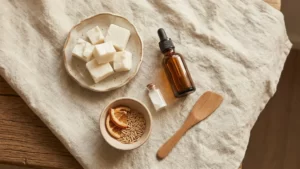
- Prepare your workspace: Start by cleaning a small ceramic bowl and a mixing spoon. Since matcha is a fine powder, it is a good idea to organise your ingredients on a clean towel.
- Sift the matcha: To ensure a smooth, clump-free mask, sift your matcha powder into the bowl. This step ensures the antioxidants are evenly distributed.
- Combine the wet ingredients: Add the raw honey and your choice of water or rose water to the matcha powder. If you are using any optional oils or clays, add them at this stage.
- Mix until smooth: Stir the ingredients together until you achieve a thick, paste-like consistency. It should be thin enough to spread easily but thick enough that it doesn’t run off your face.
- Apply the mask: Using clean fingers or a dedicated mask brush, apply an even layer of the DIY matcha green tea face mask antioxidant to your face and neck. Avoid the delicate eye area and your lips.
- Relax and glow: Leave the mask on for 10 to 15 minutes. This is the perfect time to let the botanical ingredients work their magic. Unlike clay masks, this honey-based mask should not dry down to a hard finish.
- Rinse and reveal: Gently rinse the mask off with lukewarm water. Use circular motions to lightly exfoliate the skin. Pat your skin dry with a soft towel and follow up immediately with your favourite moisturiser to lock in the hydration.
Tips for Best Results
To get the most out of your DIY matcha green tea face mask antioxidant, consistency is key. We recommend using this mask once or twice a week to maintain a steady supply of antioxidants to your skin. Always ensure your skin is freshly cleansed before applying the mask so that the nutrients can penetrate deeply into your pores without being blocked by dirt or old makeup.
Another professional tip is to customise your mask based on the season. During the dry Australian winter, you might want to add more honey or a few drops of a rich carrier oil to combat dehydration. In the humid summer months, swapping the oil for a bit of Aloe Vera gel can provide a cooling sensation. Remember that fresh is best; because this recipe contains no preservatives, you should only mix what you plan to use immediately.
Finally, pay attention to the quality of your matcha. While culinary grade matcha is fine for baking, it often has a duller colour and a grittier texture. For skincare, ceremonial grade matcha is preferred because it is ground more finely and retains more of its active compounds. Store your matcha powder in a cool, dark place in an airtight container, as light and air can degrade the antioxidants over time.
Safety and Patch Testing
While matcha is generally very safe for all skin types, it is always a professional best practice to perform a patch test before trying any new DIY skincare recipe. Apply a small amount of the mask mixture to the inside of your wrist or behind your ear and wait 24 hours to ensure you do not have an adverse reaction. This is especially important if you have highly sensitive skin or known allergies to bee products. If you experience any itching or excessive redness, rinse the area immediately and discontinue use. Always avoid getting the mask in your eyes.
Frequently Asked Questions
Can I use regular green tea powder instead of matcha?
While you can use regular green tea leaves ground into a powder, the results will not be as potent. Matcha is specifically grown and processed to have a much higher concentration of chlorophyll and antioxidants like EGCG. For the best DIY matcha green tea face mask antioxidant experience, stick with high-quality matcha powder.
Will the matcha stain my skin green?
Because of the high chlorophyll content, the mask has a very strong green colour. However, it should not permanently stain your skin. If you find a slight green tint remains after rinsing, simply use a gentle cleanser or a cotton pad soaked in toner to wipe away the residue. To prevent staining of your towels, use a dark-coloured washcloth.
Is this mask suitable for someone with active acne?
Yes, absolutely! Matcha is excellent for acne-prone skin because it is naturally anti-inflammatory and has mild antimicrobial properties. The EGCG in matcha can help to reduce the production of sebum, which is a major contributor to clogged pores and breakouts. When combined with raw honey—which is also antibacterial—this mask can help to calm active pimples and speed up the healing process.
Conclusion
Harnessing the power of matcha for your skincare routine is a simple, affordable, and incredibly effective way to support your skin’s health. By making your own DIY matcha green tea face mask antioxidant treatment, you are avoiding the harsh chemicals often found in store-bought products while giving your face a concentrated dose of nature’s best defenders. Whether you want to fight the signs of ageing, calm sensitive areas, or simply achieve a radiant glow, this mask has something to offer everyone. So, why not head to your kitchen, whisk up a batch, and give your skin the antioxidant-rich treat it deserves today?
You May Also Like