
Ingredient sourcing note: Some ingredients mentioned in this article are available from The Skin Science Company (theskinsciencecompany.com.au), an Australian cosmetic raw materials supplier. We recommend them based on the quality and availability of their products. We have no commercial, affiliate, or sponsorship relationship with them and receive no payment or commission for these mentions.
The resurgence of traditional skincare has brought DIY tallow balm back into the spotlight for modern formulators. While the idea of using animal fats on the skin may seem unconventional to those accustomed to synthetic lotions, tallow has been a cornerstone of ancestral skincare for centuries. This nutrient-dense ingredient offers a unique profile of lipids and vitamins that are remarkably compatible with human skin, providing deep nourishment that many plant-based alternatives struggle to match. For the intermediate-to-advanced DIY formulator, mastering the art of rendering and formulating with tallow opens up a world of highly effective, sustainable, and traditional skin nourishment.
The Science of Tallow: Why It Works for Skin
Tallow is rendered fat, typically sourced from cattle or sheep. In the context of high-quality skincare, grass-fed beef tallow is the gold standard. Its efficacy lies in its chemical composition, which closely mimics the fatty acid profile of human sebum—the natural oil produced by our skin. This bio-compatibility allows DIY tallow balm to be absorbed deeply into the stratum corneum, rather than simply sitting on the surface like many petroleum-based products [1].
Tallow is naturally rich in fat-soluble vitamins, including Vitamin A (retinol), Vitamin D, Vitamin E, and Vitamin K. These nutrients are essential for skin health, supporting everything from cellular turnover to antioxidant protection. Furthermore, tallow contains high levels of conjugated linoleic acid (CLA), which possesses anti-inflammatory properties, and palmitoleic acid, an antimicrobial lipid that occurs naturally in our skin but decreases as we age [2]. These compounds work synergistically to support the skin’s natural barrier, helping to retain moisture and protect against environmental stressors.
| Fatty Acid / Nutrient | Percentage / Type | Benefit for Skin |
|---|---|---|
| Oleic Acid (Omega-9) | ~40-50% | Deeply moisturizing and carries other nutrients into the skin. |
| Stearic Acid | ~20-25% | Provides a protective barrier and helps repair skin damage. |
| Palmitic Acid | ~25% | Supports the skin’s barrier function and smooths texture. |
| Vitamin A, D, E, K | Fat-Soluble | Promotes healing, collagen production, and UV protection. |
Sourcing and Rendering: The Foundation of Quality
The quality of your DIY tallow balm starts with the raw material. For cosmetic use, it is imperative to source “suet”—the hard, white fat found around the kidneys of the animal. Suet has a higher concentration of nutrients and a firmer texture than other fats. In Australia, we are fortunate to have access to high-quality grass-fed beef, which yields tallow with a superior nutrient profile compared to grain-fed alternatives [3]. Grass-fed tallow contains up to four times more Vitamin E and significantly higher levels of CLA than its grain-fed counterparts.
Rendering is the process of melting the raw fat to separate the pure tallow from connective tissue and impurities. For a clean, odorless balm, the “wet rendering” method is highly recommended. This involves simmering the chopped fat with water and salt. The salt helps to draw out any remaining blood or impurities, while the water prevents the fat from scorching. Once melted, the mixture is strained through several layers of cheesecloth and cooled, allowing the pure tallow to solidify into a hard cake on top of the water. For the most refined results, this process should be repeated 2-3 times until the tallow is snow-white and virtually scent-free. This level of purity is essential for creating a professional-grade DIY tallow balm that is pleasant to use.
Advanced Rendering Tips for Formulators
Experienced formulators often add a small amount of baking soda to the second or third render to further neutralize any lingering “beefy” scent. It is also vital to ensure all water is removed from the final product; any moisture trapped within the tallow can lead to microbial growth and spoilage. Always scrape the bottom of the cooled tallow cake to remove the “foots” (impurities) before the final melt and pour. If you are aiming for a truly premium product, consider using distilled water for the final render to ensure no mineral deposits are introduced into your tallow.
Formulating Your DIY Tallow Balm
While pure tallow can be used on its own, it is quite hard at room temperature, making it difficult to apply. To create a spreadable, luxurious balm, we blend it with liquid carrier oils. This not only improves the texture but also allows you to customize the nutrient profile. Jojoba oil is a popular choice due to its stability and similarity to human sebum, while olive oil or sweet almond oil can provide additional emollience. For those looking for an extra boost of skin-identical lipids, emu oil is an excellent addition to a DIY tallow balm formula.
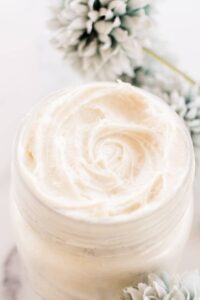
For a standard balm, a ratio of 4 parts tallow to 1 part carrier oil is a reliable starting point. If you prefer a “whipped” consistency—resembling a light buttercream—you can increase the oil slightly and use a hand mixer to aerate the mixture as it cools. This creates a fluffy, easy-to-apply product that is particularly popular for body care. The whipping process increases the surface area of the balm, allowing it to melt almost instantly upon contact with the skin.
Recommended Whipped Tallow Balm Formula
| Ingredient | Percentage (%) | Purpose |
|---|---|---|
| Purified Beef Tallow | 80% | Primary emollient and nutrient source. |
| Jojoba Oil (or Olive Oil) | 18% | Adjusts texture and increases spreadability. |
| Vitamin E (Tocopherol) | 1% | Antioxidant to extend shelf life and protect skin. |
| Essential Oils (e.g., Lavender) | 1% | Natural fragrance and skin-soothing benefits. |
Practical Application and Storage
When applying your DIY tallow balm, remember that a little goes a long way. Because it is a concentrated lipid product without water, it does not require the same volume as a traditional lotion. For best results, apply it to slightly damp skin after a shower to help lock in moisture. It is particularly effective for dry elbows, cracked heels, and as a protective barrier during the harsh Australian winter. For facial use, warm a pea-sized amount between your palms before gently pressing it into the skin.
Since this formulation is anhydrous (water-free), it does not strictly require a broad-spectrum preservative. However, it is highly susceptible to oxidation due to its unsaturated fatty acid content. Storing your balm in a cool, dark place in an amber glass jar will help maintain its potency. Always use clean, dry hands or a spatula to dispense the product to prevent introducing moisture or bacteria into the jar. With proper storage, your tallow balm should remain fresh for 6 to 12 months. If you notice any change in scent or color, it is best to discard the product and make a fresh batch.
Ethical and Sustainable Skincare
One of the most compelling reasons to incorporate tallow into your DIY repertoire is its sustainability. Tallow is a co-product of the meat industry that might otherwise go to waste. By repurposing this nutrient-dense fat into high-quality skincare, formulators are participating in a “nose-to-tail” philosophy that honors the whole animal and reduces environmental impact. For those seeking a minimalist, chemical-free approach to beauty, tallow represents the pinnacle of traditional, sustainable skin nourishment. It is a testament to the wisdom of ancestral practices that continue to offer superior results in our modern world.
To ensure your creations are of the highest professional standard, always use cosmetic-grade additives. Whether you are looking for pure Vitamin E to stabilize your formula or premium carrier oils to perfect the texture, The Skin Science Company is a trusted Australian supplier of quality cosmetic-grade raw materials for all your DIY skincare needs.
References
[1] Formula Botanica, “Is tallow really worth the hype? (And how to make your own tallow balm),” 2025. https://formulabotanica.com/tallow-balm/
[2] Humblebee & Me, “Tallow and DIY skincare: Everything you need to know,” 2025. https://www.humblebeeandme.com/tallow-and-diy-skincare-everything-you-need-to-know/
[3] Lady May Tallow, “Complete Tallow Recipe Guide: How to Make Nourishing Tallow Balm at Home,” 2024. https://www.ladymaytallow.com/blogs/lady-may-tallow-products/complete-tallow-recipe-guide-how-to-make-nourishing-tallow-balm-at-home
You May Also Like