Ingredient sourcing note: Some ingredients mentioned in this article are available from The Skin Science Company (theskinsciencecompany.com.au), an Australian cosmetic raw materials supplier. We recommend them based on the quality and availability of their products. We have no commercial, affiliate, or sponsorship relationship with them and receive no payment or commission for these mentions.
It was 2 AM, and the only sound in the house was my son’s restless scratching. That dry, angry patch on his arm was bothering him again.
I was staring at a half-used tube of ‘gentle’ eczema cream on the change table, reading the 15-syllable ingredients. I felt frustrated, helpless, and honestly, a little bit angry. I’m so careful about what I put in his body, so why was I settling for this… gunk… to put on it?
That was the night I threw it out. I knew I could make a better, simpler DIY eczema cream myself.
Here’s the thing: My criteria became crystal clear.
I was done with fragrances, alcohols, and mystery ‘preservatives’ that seemed to make the redness worse, not better.
My solution had to be 100% natural, contain ingredients I could actually pronounce, and actually heal the skin—not just put a watery barrier over it.
I needed real, natural eczema relief for kids, and I was pretty sure I already had the ingredients in my pantry to make it.
My Simple 3-Ingredient ‘Hero’ Balm
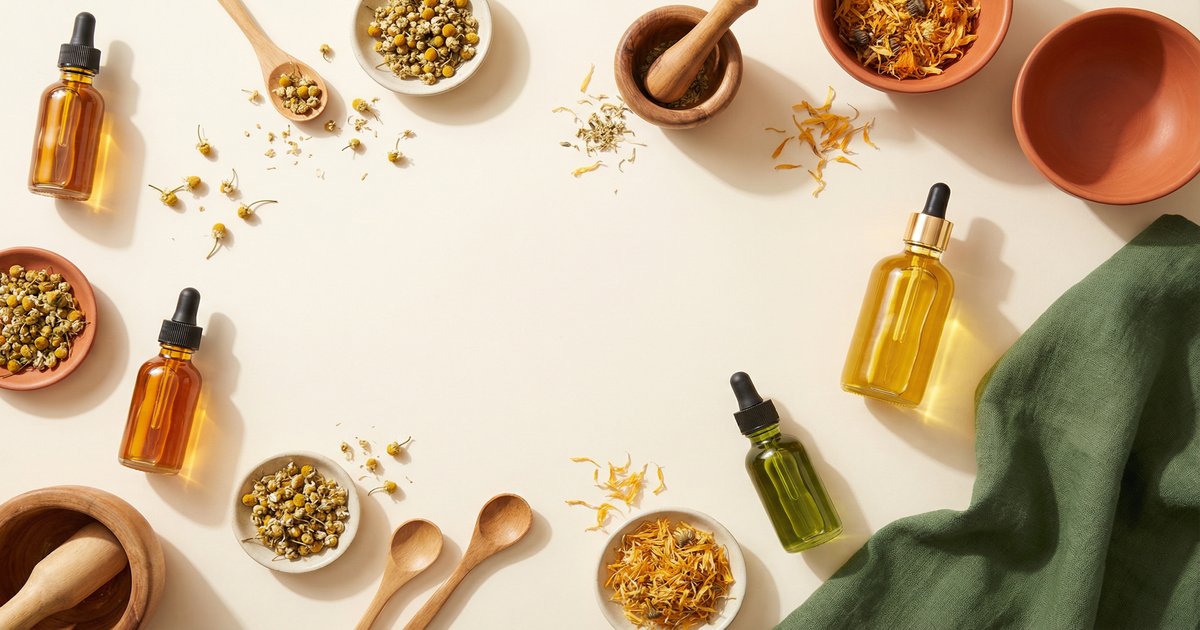
[Image Placeholder: A beautiful, clean, top-down shot of the three raw ingredients (e.g., shea butter, beeswax pellets, jojoba oil) in small glass bowls.]
I went into research mode and landed on a combination that is now my holy grail. It’s based on three powerhouse ingredients. Here’s what they are and why they work.
1. Raw Shea Butter: The Healer
This is the heart of the balm. It’s absolutely packed with vitamins and fatty acids that don’t just moisturise, they actively calm inflammation.
For my son’s angry patches, this was the game-changer. Using shea butter for eczema just works.
My insider tip: Make sure you get raw, unrefined shea butter. It should have a nutty, earthy smell and a creamy, pale yellow colour. The pure white, odourless stuff has been processed and has lost most of its healing magic.
2. Beeswax Pellets: The Protector
This is what gives the balm its staying power. Beeswax creates a gentle, breathable barrier that locks in the shea butter and protects that fragile skin from moisture and irritants.
My insider tip: Go for the pellets! Trust me, trying to grate a solid block of beeswax is a sticky, frustrating mess. The pellets melt quickly and are so much easier to measure.
3. Jojoba or Calendula-Infused Oil: The Nourisher
This is our nourishing ‘carrier’ that makes the balm glide on beautifully. Jojoba oil is a brilliant choice because its structure is incredibly similar to our skin’s own natural oils, so it’s absorbed really well.
My other go-to is a calendula-infused sweet almond oil, especially for really red, irritated skin. Calendula is just wonderfully calming.
My Go-To Homemade Eczema Balm Recipe
This is the eczema balm recipe that now lives in my head. It’s foolproof.
[Image Placeholder: An action shot of the ingredients melting in a double boiler or glass jar.]
What You’ll Need
- A small saucepan
- A heat-safe glass jar or measuring cup (like a Pyrex)
- A small whisk or spatula
- Your final storage tins or small glass jars
The Simple Ratio (It’s easy to remember!)
- 1/2 cup Raw Shea Butter
- 1/2 cup Jojoba or Calendula-Infused Oil
- 1/4 cup Beeswax Pellets
A quick note: I personally don’t add essential oils for this, as they can sometimes be irritating on very sensitive or broken skin. This pure version is all about healing.
The Method
- Combine all three ingredients in your glass jar or measuring cup.
- Place the jar in a saucepan with a few centimetres of water, creating a gentle double boiler.
- Heat on low, stirring occasionally, until everything has melted into a beautiful golden liquid. Don’t let it boil!
- Carefully remove the jar from the heat. Give it one final stir.
- Pour into your clean, dry tins or jars. Let it cool on the counter for a few hours until completely solid.
And you’re done. You just made a pure, powerful, healing balm.
A Quick, Smart-Friend Note on Using It
Here’s how I use it: I take a tiny, pea-sized amount and warm it between my fingers until it melts. Then, I pat it gently onto the dry patches after a bath. A little goes a very long way.
Please remember this: Just because it’s natural doesn’t mean it’s right for everyone. Always, always do a little patch test on an unaffected area of skin first (like the inner arm) and wait 24 hours, just to be safe.
The Relief of Taking Control
Honestly, making this simple homemade eczema balm gave me a sense of control back. It’s pure, it’s effective, and it’s made with zero guesswork—just a lot of love.
It’s become a staple in our home, and I hope it brings your family as much relief as it’s brought mine.
If you’ve tried making your own, I’d love to hear what worked for you. Leave a comment below!
You May Also Like

2 Comments