DIY Glycolic Acid Toner for Smooth, Radiant Skin
Ever wondered why professional facial treatments leave your skin glowing but home products just don’t quite deliver? The secret often lies in the science of exfoliation, specifically with alpha hydroxy acids (AHAs) like glycolic acid. If you’re ready to take your skincare routine to the next level, a DIY glycolic acid toner could be your game-changer. It’s affordable, effective, and tailored just for your skin’s needs. Let’s dive into how you can safely make this powerful exfoliant at home and enjoy smoother, brighter skin without the salon price tag.
Why Choose a DIY Glycolic Acid Toner?
Glycolic acid is one of the most popular AHAs due to its small molecular size, allowing it to penetrate the skin deeply and accelerate cell turnover. This helps to dissolve dead skin cells, reduce pigmentation, and refine texture, resulting in that coveted radiant complexion.
Commercial toners with glycolic acid can be expensive or contain unnecessary additives. By making your own DIY glycolic acid toner, you control the concentration and ingredients, tailoring it to your skin type and sensitivity.
Ingredients for Your DIY Glycolic Acid Toner
Below is a balanced formula for a gentle yet effective exfoliating toner at 5% glycolic acid concentration. This strength is ideal for beginners and intermediate users, offering visible results without excessive irritation.
- Glycolic Acid (AHA) 70% Solution: 7.14 g (5%)
- Distilled Water: 130.86 g (91.33%)
- Sodium Hydroxide (NaOH) 10% solution: 2.0 g (1.4%) (for pH adjustment)
- Glycerin (humectant): 5.0 g (3.5%)
- Preservative (e.g. Geogard ECT or equivalent): 1.0 g (0.7%)
Note: The percentages refer to weight percentages of the total batch (approximately 146 g total).
Understanding the Ingredients
- Glycolic Acid 70% Solution: A concentrated form of glycolic acid diluted later for safety and effectiveness.
- Distilled Water: The base of the toner, ensuring purity and preventing contamination.
- Sodium Hydroxide (NaOH): Used carefully to adjust pH to a skin-friendly level (around 3.5 to 4).
- Glycerin: Adds hydration and prevents dryness commonly associated with AHAs.
- Preservative: Essential for preventing microbial growth in water-based products.
Step-by-Step Method for Making Your DIY Glycolic Acid Toner
- Prepare your workspace: Clean and sanitise all utensils, glass beakers, mixing spoons, and storage bottles to avoid contamination.
- Measure ingredients: Using a precise digital scale, weigh out distilled water and pour into a glass beaker.
- Add glycerin: Stir gently into the distilled water until fully mixed.
- Add glycolic acid: Slowly add the 70% glycolic acid solution to the water-glycerin mix, stirring gently. Be cautious, as the mixture may warm slightly.
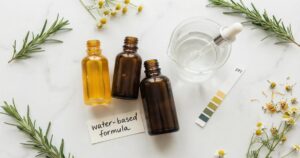
- Adjust pH: Using a calibrated pH meter or pH strips, measure the solution’s pH. It will typically be very acidic (~1.5). Gradually add the 10% sodium hydroxide solution dropwise, stirring continuously, until the pH reaches between 3.5 and 4.0. This pH range is optimal for efficacy and skin safety.
- Add preservative: Once the pH is adjusted, incorporate your preservative according to the manufacturer’s recommended usage rate.
- Mix and transfer: Stir the toner well and transfer it to a dark glass or PET bottle equipped with a dropper or spray top for easy application.
- Label: Clearly label the bottle with the product name, concentration, pH, and date made.
Safety Precautions When Using Glycolic Acid Toner
- Patch Test First: Always perform a patch test on a small skin area before full face application to check for sensitivity.
- Sun Sensitivity: Glycolic acid increases photosensitivity. Use sunscreen daily and avoid direct sun exposure after application.
- Start Slowly: Begin by using the toner 2-3 times per week and gradually increase frequency as your skin builds tolerance.
- Avoid Broken Skin: Do not apply glycolic acid toner to irritated, sunburnt, or broken skin.
- Keep pH in Check: Incorrect pH can cause irritation or reduce effectiveness. Always verify and adjust as needed.
Storage and Shelf Life
Your DIY glycolic acid toner should be stored in a cool, dark place away from direct sunlight. Use an airtight, dark-coloured bottle to prevent degradation of the acid. With proper storage and a preservative, the toner will last for approximately 3 to 6 months. Always check for any changes in colour, smell, or texture before use and discard if any signs of spoilage occur.
FAQ About DIY Glycolic Acid Toner
1. Can I increase the glycolic acid concentration for stronger exfoliation?
Yes, but proceed with caution. Concentrations above 10% require more advanced knowledge of formulation and skin tolerance testing. For beginners, 5% is a safe and effective starting point to minimise irritation.
2. How often should I use the glycolic acid toner?
Start with 2-3 times per week, preferably in the evening. As your skin adapts, you may increase frequency to daily use if tolerated.
3. Can I combine this toner with other active ingredients?
It’s best to avoid combining glycolic acid with retinoids, serum-scars/”>vitamin C serums, or other exfoliants at the same time to reduce irritation risk. Alternate usage days or use glycolic acid in the evening and other actives in the morning.
4. What if my skin becomes irritated?
If irritation occurs, reduce frequency or concentration, and apply a soothing moisturiser. If irritation persists, discontinue use and consult a dermatologist.
5. Can I use this toner if I have sensitive skin?
Sensitive skin types should start with an even lower concentration (around 2-3%) and perform thorough patch testing. Always prioritise gentle hydration alongside exfoliation.
Ready to Make Your Own Smooth, Radiant Skin Booster?
Crafting your own DIY glycolic acid toner is an empowering step towards personalised skincare. Not only do you save money, but you also gain control over what touches your skin, avoiding unnecessary fillers and irritants. Remember, patience and consistency are key when introducing AHAs into your routine. By following this guide with care, you’ll soon enjoy the smooth, bright complexion that glycolic acid is famed for.
Embrace the art and science of DIY skincare—a rewarding journey that puts radiant skin firmly in your hands.
You May Also Like