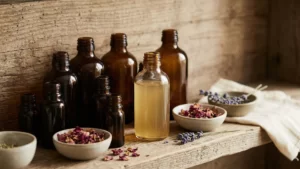
The morning ritual of shaving is a practice that dates back centuries, yet in our modern world, it has become cluttered with aerosol cans and synthetic propellants that often do more harm than good. If you have ever experienced the stinging burn of a post-shave rash or noticed your skin feeling tight and parched, it is likely that your commercial shaving foam is the culprit. Transitioning to a natural shaving cream DIY recipe is one of the most effective ways to reclaim your skincare routine, ensuring that every ingredient serves a purpose: to protect, nourish, and soothe your complexion. In this guide, we will explore how to create a luxurious, whipped shave butter that rivals any high-end boutique product, all while using simple, plant-based ingredients you can trust.
What Is Natural Shaving Cream?
Unlike the airy, aerosol-driven foams found on supermarket shelves, a natural shaving cream DIY recipe typically results in what formulators call a “shave butter” or a “whipped shave cream”. These preparations are anhydrous (water-free) formulations that rely on the inherent slickness of plant-based fats rather than synthetic surfactants like Sodium Lauryl Sulfate (SLS). By using a base of shea butter and coconut oil, you create a dense, protective barrier that sits between the razor blade and your skin. This barrier is essential for preventing the micro-tears and “drag” that lead to irritation. In a natural context, “cream” refers more to the texture and the application process than the presence of water-based emulsions.
In the world of DIY skincare, making your own shaving products allows you to bypass the long list of unpronounceable chemicals often found in commercial cans. Many store-bought options contain triethanolamine, an emulsifying agent that can be irritating to sensitive skin, and isobutane or propane, which act as propellants. When you opt for a natural shaving cream DIY recipe, you are choosing ingredients that serve a dual purpose: they facilitate a clean shave while simultaneously acting as a deep-conditioning treatment for your skin. It is the ultimate way to organise your grooming routine around the principles of Sustainability & Ethical Beauty, ensuring that your self-care practices are as kind to the planet as they are to your face and body.
Benefits of Natural Shaving Cream for Skin
Switching to a homemade alternative offers several transformative benefits for your skin’s health and appearance. Firstly, the level of intense hydration provided by natural butters is unmatched. While traditional foams can leave the skin feeling tight and “squeaky clean”, a DIY shave butter leaves the skin feeling soft and moisturised long after you have finished rinsing. The high fatty acid content in shea butter penetrates the skin layers, providing lasting nourishment that helps to moisturise even the driest areas, which is particularly beneficial for those living in harsher climates.
Secondly, using a natural shaving cream DIY recipe significantly reduces razor burn and irritation. Synthetic fragrances are one of the leading causes of contact dermatitis and post-shave redness. By using pure essential oils or leaving the recipe unscented, you eliminate these common triggers. Furthermore, the thick consistency of the cream provides a superior glide. This means the razor moves effortlessly across the skin’s surface, requiring fewer passes and reducing the likelihood of ingrown hairs and nicks. The presence of coconut oil also adds a layer of antimicrobial protection, which is crucial when you are effectively scraping a sharp blade across your skin.
What You Need
- 1/2 cup Organic Raw Shea Butter: This is the heart of your recipe, providing the thick, creamy base that protects the skin.
- 1/2 cup Virgin Coconut Oil: Known for its incredible glide and natural antibacterial properties.
- 1/4 cup Sweet Almond Oil or Jojoba Oil: These carrier oils help to lighten the texture and add extra “slip” for the razor.
- 2 tablespoons Liquid Castile Soap: An optional addition that provides a very mild cleansing action and helps the cream rinse off more easily.
- 10-15 drops of Essential Oils: Choose Lavender for soothing, Peppermint for cooling, or Cedarwood for a woody, masculine scent.
- 1 teaspoon Vitamin E Oil: This acts as a powerful antioxidant for your skin and helps to extend the shelf life of your oils by preventing oxidation.
Step-by-Step Recipe: How to Do It
- Melt the Base: Begin by placing your shea butter and coconut oil in a heat-safe glass bowl. Use a double boiler method—placing the bowl over a pot of simmering water—to gently melt the ingredients. This slow, indirect heat is vital because it preserves the delicate vitamins and fatty acids within the butters. Stir occasionally until the mixture is a clear, golden liquid.
- Combine with Carrier Oils: Once the base is completely melted, remove the bowl from the heat source. Carefully stir in your sweet almond oil (or jojoba oil) and the vitamin E oil. Use a glass stir rod or a clean stainless steel spoon to ensure the mixture is thoroughly combined and uniform in colour.
- The Cooling Phase: This is the most critical step for achieving the right texture. Place the bowl in the refrigerator for approximately 30 to 45 minutes. You are looking for the “soft set” stage. The mixture should be opaque and firm enough that a finger press leaves an indentation, but it should not be rock hard.
- Add Final Ingredients: Once the mixture has reached the desired semi-solid state, remove it from the fridge. Now is the time to add your liquid castile soap and your chosen essential oils. Adding them at this stage ensures that the heat doesn’t evaporate the volatile aromatic compounds, keeping your shaving cream smelling wonderful.
- Whip to Perfection: Using a hand mixer, begin whipping the mixture on a medium setting, gradually increasing to high. Continue whipping for 3-5 minutes. You will see the yellow-ish oil transform into a brilliant white, fluffy cream that looks like marshmallow fluff. This aeration is what makes the cream easy to spread and light on the skin.
- Store Correctly: Use a spatula to transfer your finished natural shaving cream into a clean, dry glass jar with a tight-fitting lid. Store the jar in a cool, dark place to maintain its consistency and potency.
Tips for Best Results
To get the most out of your natural shaving cream DIY recipe, it is important to understand how its performance differs from commercial products. Since this is an oil-based cream, a little goes a long way. You do not need a thick, billowing lather to get a close shave. Instead, apply a thin, even layer to damp skin. The oils will create a transparent film that allows you to see exactly where you are shaving, which is a major advantage for precision grooming. Because the oils are dense, remember to rinse your razor frequently under hot water to prevent the blades from clogging.
Another professional tip is to prepare your skin properly before you even reach for the cream. Shaving immediately after a warm shower is the gold standard, as the heat and steam help to soften the hair keratin and open the pores, allowing for a much closer cut with less resistance. If you have particularly coarse hair, you might even consider applying a few drops of a dedicated pre-shave oil before your DIY cream. This double-layering technique is a secret used in high-end barbershops to ensure zero irritation on even the most sensitive skin types.
Safety and Patch Testing
While the ingredients in this natural shaving cream DIY recipe are generally safe, it is vital to perform a patch test before full application. This is especially important if you are using essential oils, as some people can have sensitivities to specific plant extracts. Apply a small amount of the cream to the inside of your elbow or wrist and wait 24 hours to ensure no adverse reactions occur. If you have a known nut allergy, be sure to substitute the sweet almond oil for a safe alternative like sunflower or grape seed oil.
Frequently Asked Questions
Q: Will this shaving cream clog my drain?
A: This is a common concern with oil-based DIY products. Because the recipe contains butters that can solidify, it is a good practice to run very hot water down the drain for about 30 seconds after you finish shaving. This ensures that any residual oils are flushed through the pipes while they are still in liquid form.
Q: Can I use this on my face and my legs?
A: Absolutely! This versatile recipe is designed for all skin types and all areas of the body. The soothing properties of shea butter make it excellent for the delicate skin on the face, while the deep moisturisation provided by the coconut and almond oils is perfect for achieving silky smooth legs or underarms.
Q: Why did my shaving cream lose its fluffiness after a few weeks?
A: Loss of volume usually happens if the cream is stored in a place that is too warm, causing the air bubbles to escape as the oils soften. To restore the texture, simply chill the cream in the refrigerator until it reaches a butter-like consistency and then re-whip it with a hand mixer.
Conclusion
Embracing a natural shaving cream DIY recipe is a rewarding step toward a more sustainable and skin-friendly beauty routine. By taking control of the ingredients that touch your skin, you eliminate unnecessary toxins and provide your body with the nourishment it deserves. This whipped shave butter is not just a tool for hair removal; it is a luxurious treatment that leaves your skin glowing, hydrated, and free from irritation. We encourage you to gather your ingredients and try this recipe today—your skin and the planet will thank you for making the switch to chemical-free grooming. Once you experience the superior glide and lasting softness of a natural alternative, you will never want to go back to a pressurized can again.
You May Also Like