Ingredient sourcing note: Some ingredients mentioned in this article are available from The Skin Science Company (theskinsciencecompany.com.au), an Australian cosmetic raw materials supplier. We recommend them based on the quality and availability of their products. We have no commercial, affiliate, or sponsorship relationship with them and receive no payment or commission for these mentions.
I remember the first time I heard the term “clean beauty.” It sounded like the holy grail of skincare — products that are pure, safe, and magically good for your skin without any nasty stuff.
But as I dove deeper (and mixed my own skincare recipes at home), I realized “clean beauty” is a lot more complicated — and sometimes, confusing.
What Is Clean Beauty, Really?
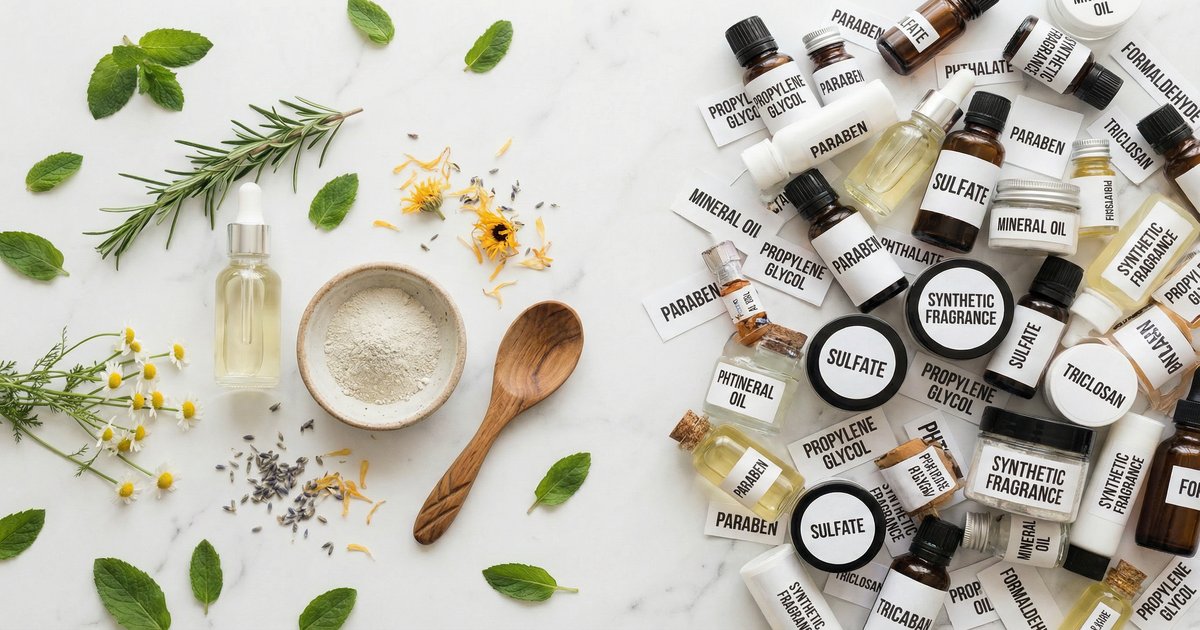
“Clean beauty” is more of a marketing term than a regulated label. It promises products free from harmful chemicals, toxins, and irritants. But the truth is, there’s no official list of banned ingredients, and brands can use “clean” quite loosely.
Why This Matters for DIY Skincare Lovers
If you love making your own skincare — as I do — understanding what clean beauty means helps you make better choices about ingredients.
Not every “natural” ingredient is automatically safe or effective. Some can irritate your skin, and some synthetic ingredients might actually be gentler and more stable.
The Myth of “Natural = Safe”
I used to assume that everything natural was good for my skin. Spoiler: it’s not that simple.
Essential oils, while natural, can cause sensitivity or allergies if used improperly. Some plant extracts can make your skin photosensitive (think: certain citrus oils). Natural preservatives aren’t always strong enough to keep homemade products safe.
How to Navigate Clean Beauty in Your DIY Routine
Research ingredients: Know what you’re putting on your skin, whether natural or synthetic. Start simple: Use ingredients with proven benefits like hyaluronic acid, niacinamide, and jojoba oil. Preserve properly: Use reliable preservatives if you’re making water-based products. Patch test: Always test new recipes on a small skin area first. Focus on skin needs: Clean beauty is about what works for your skin, not just trendy buzzwords.
My Clean Beauty Must-Haves for DIY
Here are some clean, effective ingredients I swear by:
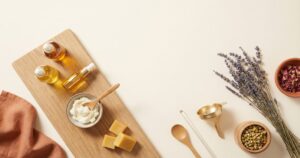
Cold-pressed oils: Like rosehip, serum-ageing-skin/”>argan, and jojoba — nourishing and stable. Botanical hydrosols: Like rosewater and lavender — gentle toners and spritzers. Active powders: Like vitamin C (ascorbic acid) and niacinamide — targeted treatments. Gentle preservatives: Such as Geogard ECT or Leucidal Liquid to keep DIY products safe.
Final Thoughts: Clean Beauty Is What You Make It
“Clean beauty” doesn’t have to be complicated or expensive. For DIYers, it’s about being informed, cautious, and choosing ingredients that deliver real benefits.
At the end of the day, your skin’s health is the true measure of clean beauty — and that starts with knowing what’s in your products, whether store-bought or homemade.
Let’s Chat
What’s your take on clean beauty? Have you tried DIY recipes that are both clean and effective? Drop a comment or tag us on social media — let’s break down the myths together!
You May Also Like