Ingredient sourcing note: Some ingredients mentioned in this article are available from The Skin Science Company (theskinsciencecompany.com.au), an Australian cosmetic raw materials supplier. We recommend them based on the quality and availability of their products. We have no commercial, affiliate, or sponsorship relationship with them and receive no payment or commission for these mentions.
If you’re anything like me, your DIY skincare journey probably started with a big tub of coconut oil. I was so excited. I’d seen it hailed as the ultimate natural ingredient, the one-size-fits-all miracle worker. I bought a huge jar and put it on everything—my body, my hair, and yes, my face.
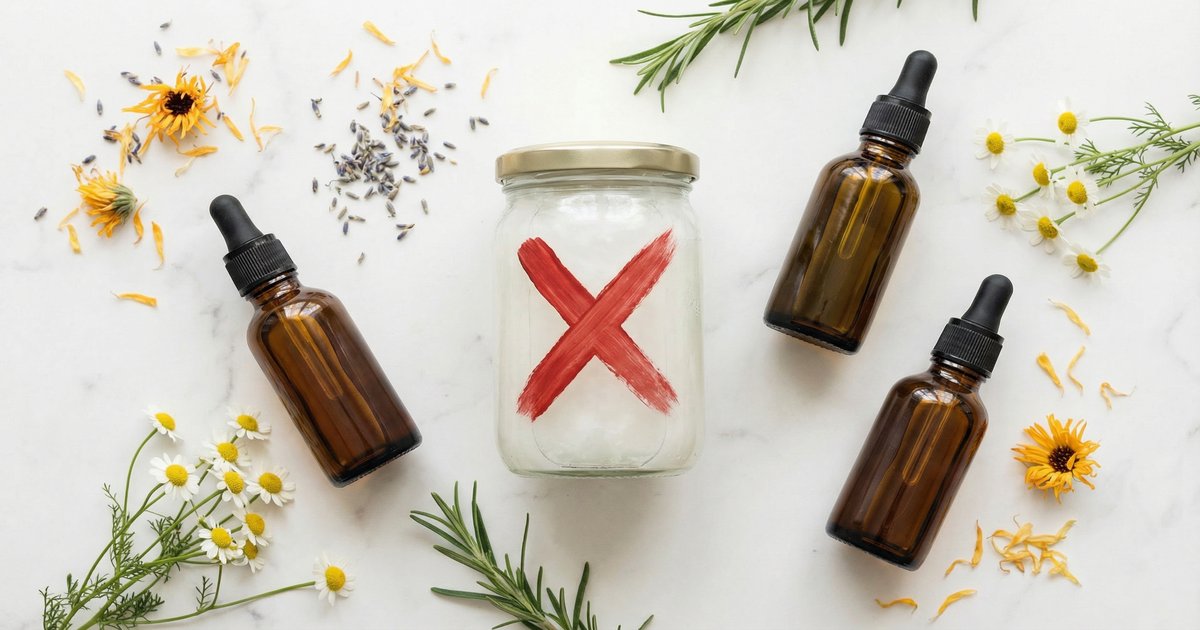
At first, it felt luxurious. But after a few weeks, I started noticing my skin felt congested. Little bumps appeared along my jawline. I couldn’t figure it out. I was using a pure, natural oil, so why was I dealing with a frustrating coconut oil for face breakout? It felt like a total betrayal.
That frustrating experience sent me down a research rabbit hole, and what I found was a complete game-changer for my skin and my craft.
My ‘Aha!’ Moment: Discovering the Comedogenic Scale
Here’s the thing: not all oils are created equal when it comes to your face. The big secret I uncovered was something called the comedogenic scale for oils.
It sounds technical, but the idea is simple. It’s a scale from 0 to 5 that rates how likely an oil or ingredient is to clog your pores.
The Comedogenic Scale Explained:
- 0 – Won’t clog pores at all.
- 5 – High likelihood of clogging pores.
My jaw dropped when I saw where coconut oil sits: it’s a 4. A four! While it’s a fantastic moisturiser for the body (where pores are less prone to clogging), putting it on my face was practically an invitation for congestion. It wasn’t that the oil was “bad,” it just wasn’t right for me.
This realisation was so empowering. It taught me that the key to great DIY skincare isn’t just about using natural ingredients, but about choosing the right ones for your unique skin. This principle applies to everything, from your daily oil to a weekly homemade face mask using kitchen ingredients. I immediately started exploring non-comedogenic oils for face, and I’ve never looked back.
My New Go-To Oils: 3 Amazing Coconut Oil Alternatives
After a lot of happy experimentation, these three oils have become the heroes of my skincare shelf. They are gentle, effective, and my skin absolutely loves them.
Jojoba Oil
- Comedogenic Rating: 2
- Best For: All skin types, especially oily and combination skin.
- Feels Like: Lightweight and silky, it absorbs in a flash.
This is my number one. What’s amazing about jojoba is that it’s technically not an oil, but a liquid wax ester. Its structure is incredibly similar to our skin’s own natural sebum. For me, that meant my skin recognised it instantly, drinking it up without any greasy residue. It’s my go-to for oil cleansing and the perfect base for a simple DIY face oil for acne-prone areas.
Rosehip Oil
- Comedogenic Rating: 1
- Best For: Dry, mature, or scarred skin.
- Feels Like: A rich, dry oil that leaves a nourished glow.
I call this one my “overnight magic worker.” It’s packed with vitamins A and C, and I’ve personally found it amazing for evening out my skin tone and softening fine lines. I press a few drops onto my face before bed, and I genuinely wake up with skin that looks brighter and feels calmer. If you’re looking for a nourishing treatment oil, this is a beautiful choice.
Hemp Seed Oil
- Comedogenic Rating: 0
- Best For: Irritated, inflamed, or sensitive skin.
- Feels Like: A thin, slightly “green” feeling oil that sinks in quickly.
With a comedogenic rating of zero, hemp seed oil is one of the safest bets for reactive skin. I reach for this whenever my skin feels a bit red or angry. It’s incredibly soothing and helps to calm things down without the slightest risk of clogging my pores. It has a slightly earthy smell that I’ve grown to love because I know it means my skin is getting pure, calming goodness.
Your Skin Always Knows Best
Breaking up with coconut oil was the best thing I ever did for my face. It taught me that making my own skincare is a personal journey, not about following trends. Learning how to avoid a coconut oil for face breakout was the first step to truly understanding what my skin needs.
If you’ve had a similar experience, I hope this helps you feel empowered. You are the expert on your own skin.
I’d love to hear what worked for you. What are your favourite non-comedogenic oils to use in your creations?
You May Also Like

3 Comments