Clear Up Pimples Fast: Your Ultimate DIY Acne Spot Treatment with Salicylic Acid and Tea Tree
Are you tired of battling stubborn pimples that seem to pop up just before an important event? What if you could whip up a fast-acting, highly effective DIY acne spot treatment right in your own kitchen? Combining the proven power of salicylic acid and tea tree oil, this targeted formula is designed to reduce inflammation, unclog pores, and zap blemishes overnight. Whether you’re a beginner or an experienced DIY skincare enthusiast, this guide will walk you through every step to help you create a potent treatment that won’t dry out your skin or cause irritation.
Why Choose Salicylic Acid and Tea Tree for Acne Spot Treatment?
Salicylic acid, a beta hydroxy acid (BHA), is a superstar ingredient for acne-prone skin. It exfoliates dead skin cells, penetrates deep into pores, and reduces inflammation, helping to clear blackheads and whiteheads. Tea tree oil is a natural antibacterial and anti-inflammatory agent, known for its ability to kill acne-causing bacteria and soothe redness.
Together, these ingredients create a powerful yet gentle DIY acne spot treatment that targets pimples directly without overwhelming the surrounding skin.
Ingredients for Your DIY Acne Spot Treatment
- Salicylic acid powder – 2% (w/w) (active exfoliant and pore cleanser)
- Tea tree essential oil – 1% (w/w) (antibacterial and anti-inflammatory)
- Aloe vera gel – 85% (w/w) (soothing base to prevent irritation)
- Witch hazel extract – 10% (w/w) (natural astringent and toner)
- Vegetable glycerin – 2% (w/w) (humectant to keep skin hydrated)
Notes on Ingredients
- Use cosmetic grade salicylic acid powder for safety and effectiveness.
- Choose a pure, therapeutic-grade tea tree oil with a clear, fresh scent.
- Prefer organic or preservative-free aloe vera gel to avoid unwanted additives.
- Witch hazel should be alcohol-free to reduce potential dryness.
Step-by-Step Method: Making Your DIY Acne Spot Treatment
- Sanitise your workspace and tools. Wash your hands thoroughly and clean all utensils, glass beakers, and containers with isopropyl alcohol or hot water.
- Measure aloe vera gel and witch hazel. In a small glass or stainless steel bowl, combine 85 grams of aloe vera gel and 10 grams of witch hazel extract. Stir gently to blend.
- Add vegetable glycerin. Stir in 2 grams of vegetable glycerin to the base mixture, which will add moisture and improve texture.
- Dissolve salicylic acid. Slowly sprinkle 2 grams of salicylic acid powder into the mixture while stirring continuously until fully dissolved. Salicylic acid may take a few minutes to fully dissolve—patience is key to avoid graininess.
- Incorporate tea tree oil. Add 1 gram (approximately 20 drops) of tea tree essential oil. Mix thoroughly but gently to distribute the oil evenly without creating bubbles.
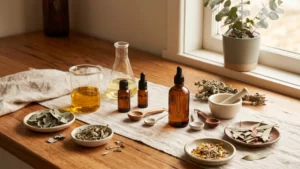
- Transfer to a clean container. Using a small funnel or spatula, pour your spot treatment into a sterilised amber glass dropper bottle or jar to protect it from light.
- Label your creation. Include the date of making and ingredients for reference.
Safety Precautions When Using This DIY Acne Spot Treatment
- Patch test before use. Apply a small amount on your inner forearm and wait 24 hours to check for any adverse reaction.
- Do not use on broken or irritated skin. Salicylic acid can sting sensitive or compromised skin.
- Avoid eyes and mucous membranes. Tea tree oil is potent and can cause irritation if it comes into contact with eyes.
- Limit use to affected areas only. Using this treatment on the entire face may cause dryness or peeling.
- Use sunscreen daily. Salicylic acid can increase photosensitivity, so protect your skin from UV exposure.
Storage Tips and Shelf Life
Store your DIY acne spot treatment in a cool, dark place away from direct sunlight to maintain the efficacy of salicylic acid and tea tree oil. An amber glass container is ideal for protecting light-sensitive ingredients. Because this formula contains natural aloe vera gel without preservatives, use it within 2 to 3 weeks.
If you notice any changes in smell, texture, or colour, discard the batch and make a fresh one.
FAQ: Common Questions About DIY Acne Spot Treatment
1. Can I increase the concentration of salicylic acid for faster results?
It’s best to stick to 2% salicylic acid for spot treatments to minimise irritation. Higher concentrations can cause dryness, redness, or peeling, especially on sensitive skin.
2. How often should I apply this spot treatment?
Apply once or twice daily directly on pimples, preferably after cleansing and before moisturising. Overuse can lead to skin sensitivity.
3. Is it safe to use tea tree oil directly on the skin?
Tea tree oil should always be diluted in a carrier such as aloe vera gel to prevent irritation. In this formulation, 1% concentration is safe and effective for spot treatment.
4. Can I use this treatment on cystic acne?
This spot treatment is best suited for mild to moderate acne such as whiteheads and blackheads. For cystic acne, consult a dermatologist for specialised care.
5. Can I add other ingredients like niacinamide or benzoyl peroxide?
Niacinamide can be added in a separate routine but avoid mixing with salicylic acid in the same formula to prevent irritation. Benzoyl peroxide should not be combined with salicylic acid as it can deactivate each other and increase dryness.
Conclusion: Empower Your Skincare Routine with DIY Acne Spot Treatment
Crafting your own DIY acne spot treatment with salicylic acid and tea tree oil offers a smart, cost-effective way to tackle blemishes head-on while controlling exactly what goes on your skin. This blend harnesses the best of gentle exfoliation, antibacterial power, and soothing hydration for a clear, calm complexion. Once you master this simple recipe, you’ll gain confidence to explore more DIY skincare formulations tailored to your unique skin needs. So why wait? Grab your ingredients and start creating a spot treatment that truly works for you. Your skin will thank you.
You May Also Like