How to Make a DIY Shampoo Bar for Healthy Hair
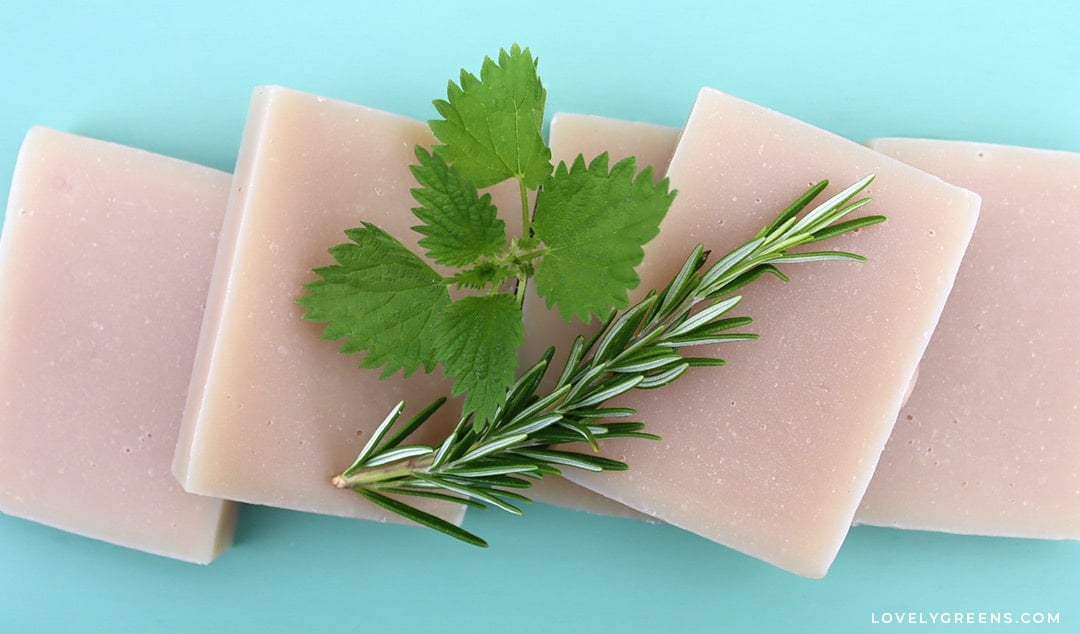
Have you ever wondered if you could ditch liquid shampoo bottles and plastic packaging without sacrificing a rich, cleansing hair wash? Imagine crafting your own DIY shampoo bar, tailored perfectly to your hair’s needs, using gentle, skin-loving ingredients that leave hair soft and clean. This solid shampoo alternative not only reduces waste but also gives you complete control over what touches your scalp. If you’re curious about how to make a shampoo bar that’s effective, gentle, and long-lasting, you’re in the right place.
Why Choose a DIY Shampoo Bar?
Traditional shampoos often contain harsh chemicals, unnecessary fillers, and excessive packaging. By switching to a shampoo bar, you reduce plastic waste, save space in your bathroom, and enjoy a concentrated formula that lasts longer. Solid shampoos typically use surfactants like Sodium Cocoyl Isethionate (SCI) and Sodium Lauryl Sulfoacetate (SLSA) to gently cleanse hair without stripping natural oils.
Making your own DIY shampoo bar allows you to customise ingredients based on your hair type, sensitivities, and preferences. Plus, it’s a creative and satisfying project for DIY skincare enthusiasts and small business owners wanting to offer eco-friendly hair care options.
Key Ingredients for Your DIY Shampoo Bar
Understanding the ingredients is essential for a successful shampoo bar. Here are the primary components:
- Sodium Cocoyl Isethionate (SCI) (45%) – A mild, coconut-derived surfactant that creates a rich, creamy lather and cleanses without irritation.
- Sodium Lauryl Sulfoacetate (SLSA) (25%) – A gentle, powdery surfactant that boosts foam and helps remove oils and dirt.
- Butters and Oils (15%) – Such as shea butter, cocoa butter, or coconut oil, these nourish hair and add conditioning properties.
- Liquid Phase (10%) – Usually distilled water or a hydrosol to aid blending and activate the surfactants.
- Additives and Essential Oils (5%) – Ingredients like panthenol (pro-serum-scars/”>vitamin B5), aloe vera juice, and essential oils (e.g., lavender, rosemary) provide extra soothing, fragrance, and scalp benefits.
Sample DIY Shampoo Bar Ingredients List (100g Batch)
- 45g Sodium Cocoyl Isethionate (SCI)
- 25g Sodium Lauryl Sulfoacetate (SLSA)
- 10g Shea butter
- 5g Coconut oil
- 10g Distilled water or aloe vera juice
- 3g Panthenol (optional)
- 2g Essential oils (lavender or rosemary)
Step-by-Step Guide: How to Make Your DIY Shampoo Bar
- Prepare your workspace: Clean and sanitise all equipment, including heatproof bowls, spatulas, and moulds. Wear gloves and a dust mask when handling surfactant powders to avoid irritation.
- Melt the butters and oils: In a double boiler, gently melt the shea butter and coconut oil until fully liquid.
- Mix the surfactants: In a separate bowl, carefully combine the SCI and SLSA powders. Avoid breathing in the dust.
- Combine liquid phase: Warm the distilled water or aloe vera juice slightly (to around 40°C) and slowly add it to the melted oils, stirring gently.
- Add panthenol and essential oils: Once the liquid phase is combined, stir in panthenol and essential oils thoroughly.
- Incorporate surfactants: Gradually add the surfactant blend to the liquid/oil mixture, folding carefully to avoid excess air and dust. The mixture will thicken and become paste-like.
- Press into moulds: Pack the shampoo bar mixture firmly into silicone moulds or a lined container. Compress to remove air pockets and smooth the surface.
- Cure the bars: Allow the bars to dry at room temperature in a cool, ventilated place for 24–48 hours. This step hardens the bars and extends shelf life.
- Unmould and store: Once firm, remove bars from the moulds. Store in a dry container or wrap in breathable paper.
Safety Notes and Storage Tips
- Handling surfactants: Both SCI and SLSA are powders that can cause irritation if inhaled or if they get into your eyes. Always wear a dust mask and gloves, and work in a well-ventilated area.
- Essential oils: Use only skin-safe essential oils and keep total fragrance content under 2% to avoid irritation.
- Water content: Keep water content low (around 10%) to prevent microbial growth. This formula does not require preservatives if stored dry.
- Storage: Store shampoo bars in a cool, dry place away from direct sunlight. Use a soap dish with drainage to keep bars dry between uses.
- Shelf life: Properly cured and stored shampoo bars last 6–12 months. Always check for changes in smell or texture before use.
Frequently Asked Questions About DIY Shampoo Bars
1. Can I use other oils or butters in my shampoo bar?
Yes, you can substitute shea butter and coconut oil with other hair-friendly oils like olive oil, jojoba oil, or mango butter. Adjust the quantities so the total oil/butter content remains around 15% to maintain bar consistency.
2. How do I avoid shampoo bars from crumbling?
Ensure you press the mixture firmly into the mould and allow sufficient curing time. Using a balance of SCI and SLSA helps achieve a solid, stable bar. Avoid adding too much liquid to keep the bar firm.
3. Will a shampoo bar lather like liquid shampoo?
Yes, thanks to surfactants like SCI and SLSA, shampoo bars create a rich, creamy lather that cleanses effectively. The lather might feel different initially, but it rinses clean without residue.
4. Can I use a shampoo bar on coloured or chemically treated hair?
Absolutely. This gentle formula is suitable for coloured or damaged hair, but avoid harsh surfactants like SLS (Sodium Lauryl Sulfate) which can strip colour.
5. How long do shampoo bars last during travel?
Shampoo bars are excellent for travel because they are compact, spill-proof, and comply with airline liquid restrictions. Keep them in a dry tin or soap saver between uses to extend their life.
Final Thoughts: Embrace the Joy of DIY Skincare
Crafting your own DIY shampoo bar is more than just a sustainable choice — it’s an empowering way to connect with your hair care routine. With simple ingredients like SCI, SLSA, and nourishing butters, you can create a solid shampoo that’s gentle, effective, and kind to the planet. Whether you’re a DIY skincare hobbyist or a small business owner seeking to offer eco-conscious products, shampoo bars are a versatile and rewarding project to master. So why not roll up your sleeves and start creating your own bars for healthier hair and a happier earth? Your hair (and the environment) will thank you.
You May Also Like