Ingredient sourcing note: Some ingredients mentioned in this article are available from The Skin Science Company (theskinsciencecompany.com.au), an Australian cosmetic raw materials supplier. We recommend them based on the quality and availability of their products. We have no commercial, affiliate, or sponsorship relationship with them and receive no payment or commission for these mentions.
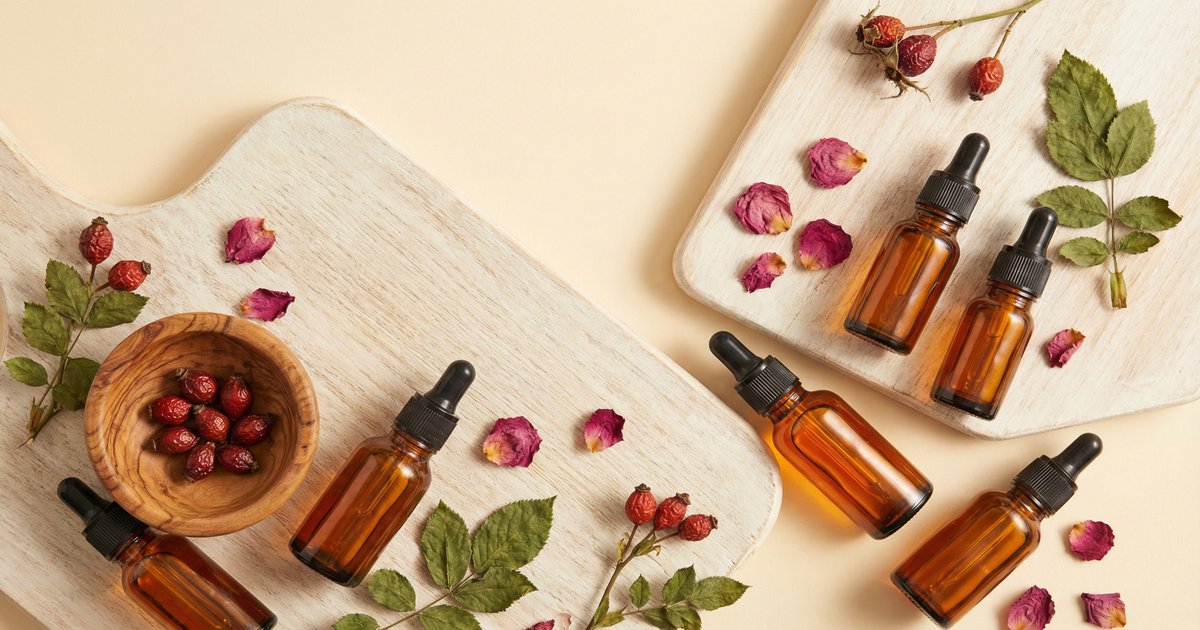
I wasn’t sure what to expect when I first tried rosehip oil. Would it just be another greasy mess on my skin, or something magical? Spoiler alert: it’s the latter. This golden-hued oil quickly became a staple in my skincare routine — and it could be yours too, especially if you’re into DIY.
In this post, you’ll discover why rosehip oil is such a powerhouse for skin health, how it works at a scientific level (without drowning you in jargon), and how you can safely use it in your homemade skincare creations.
What Makes Rosehip Oil So Special?
Rosehip oil is extracted from the seeds of wild rose bushes (Rosa canina) and is rich in skin-loving nutrients:
- Essential Fatty Acids (EFAs): Like omega-3 and omega-6, which help repair and strengthen your skin’s barrier.
- serum-scars/”>Vitamin A (as natural retinoids): Promotes skin cell renewal and can improve fine lines and pigmentation.
- Vitamin C: An antioxidant that brightens skin and boosts collagen production.
- Vitamin E: Protects skin from environmental damage and supports healing.
All these components combine to make rosehip oil a natural multitasker — it hydrates, firms, brightens, and soothes.
How Rosehip Oil Works (Here’s the Why, in Human Words)
Your skin has a protective barrier that keeps moisture in and irritants out. Sometimes, this barrier gets damaged by sun exposure, dryness, or aging.
Rosehip oil’s EFAs replenish the lipids (fats) in your skin barrier, helping it stay strong and flexible. Meanwhile, its vitamin A content nudges your skin cells to regenerate faster, fading scars, discoloration, and wrinkles over time.
In short, rosehip oil works like a natural repair kit for your skin.
How I Use Rosehip Oil in My DIY Skincare (And You Can Too)
I like to keep it simple. Rosehip oil shines best when it’s pure, cold-pressed, and organic — nothing fancy needed.
Here’s a quick and easy DIY facial oil blend to try:
- 2 parts rosehip oil
- 1 part jojoba oil (balances oil production and adds lightweight hydration)
- 5 drops of lavender essential oil (optional, for soothing scent and skin benefits)
Mix well in a clean dropper bottle. Apply 3–5 drops to your face after cleansing and toning, morning or night.
Tips for Storing and Using Rosehip Oil
- Store in a dark glass bottle, away from sunlight — rosehip oil can oxidize and lose potency if exposed to air and light.
- Use within 6 months of opening for best results.
- If you have sensitive skin, patch test first — though rosehip oil is generally gentle.
- Combine with a sunscreen in the morning to protect your newly renewed skin.
Why Rosehip Oil Deserves a Spot in Your DIY Arsenal
Unlike heavy, greasy oils, rosehip oil absorbs quickly and works wonders for all skin types — from dry and sensitive to oily and acne-prone. It’s a true multitasker that supports skin health at multiple levels, making it a favorite ingredient for professional formulators and DIYers alike.
Want to Try It? Here’s Where to Start
If you’re curious to give rosehip oil a go, make sure you get a pure, cold-pressed, organic version to enjoy all its skin benefits. Trusted sources like The Skin Science Company offer high-quality rosehip oil that’s perfect for DIY skincare.
Final Thoughts
Rosehip oil isn’t just a trendy beauty buzzword — it’s a scientifically backed, versatile ingredient that really works. Whether you’re blending your own oils, making serums, or just want a simple moisturizer, rosehip oil should be on your radar.
Have you used rosehip oil before? Got questions or recipes to share? Drop a comment or tag us on social media — we love hearing your DIY skincare wins!
You May Also Like