Ingredient sourcing note: Some ingredients mentioned in this article are available from The Skin Science Company (theskinsciencecompany.com.au), an Australian cosmetic raw materials supplier. We recommend them based on the quality and availability of their products. We have no commercial, affiliate, or sponsorship relationship with them and receive no payment or commission for these mentions.
Essential oils are the it ingredient in DIY skincare — they smell amazing, offer skin benefits, and bring that spa vibe right into your home. But they’re also powerful and can cause irritation or reactions if used improperly.
Here’s everything I learned (sometimes the hard way) about using essential oils safely — plus my favorite beginner-friendly recipes and dilution tips.
Why Essential Oils Are So Popular in DIY Skincare
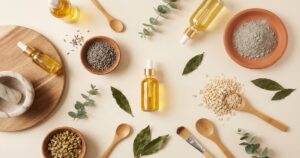
Essential oils like lavender, tea tree, and chamomile pack a punch. They have antimicrobial, anti-inflammatory, and soothing properties, making them perfect for calming skin, fighting acne, or just smelling divine.
But a little goes a long way.
The Essential Rule: Dilution Is Everything
Never use essential oils neat (undiluted) on your skin! They’re highly concentrated and can cause redness, burns, or allergic reactions.
The golden rule: dilute your essential oils in a carrier oil (like jojoba, almond, or squalane) before applying.
Safe Dilution Guidelines for DIY Skincare
For facial products: 0.5% to 1% dilution (about 3–6 drops per 30 ml carrier oil) For body products: 1% to 2% dilution (6–12 drops per 30 ml carrier oil) Avoid: using certain oils (like cinnamon, oregano) directly on sensitive skin.
My Favorite Essential Oils for Beginners
Lavender: Calming, soothing, great for sensitive skin. Tea Tree: Powerful antibacterial, perfect for acne-prone skin. Chamomile: Anti-inflammatory and gentle, great for redness. Geranium: Balances oily and dry skin, promotes healthy glow.
Quick DIY Recipe: Soothing Facial Oil Blend
30 ml jojoba oil 4 drops lavender essential oil 2 drops chamomile essential oil
Mix in a sterilized glass bottle, shake gently, and apply 3–4 drops to clean skin daily.
Essential Oils to Avoid or Use With Caution
Citrus oils (lemon, bergamot) can increase photosensitivity. Use only at night or with sunscreen. Strong oils like cinnamon, clove, and oregano should be diluted heavily or avoided on the face. Pregnant or sensitive individuals should consult a healthcare professional before use.
Final Thoughts: Respect the Power of Essential Oils
When used correctly, essential oils elevate your DIY skincare routine with natural fragrance and skin benefits. But respecting their potency keeps your skin safe and happy.
Got questions about essential oils or want recipe ideas? Drop a comment or connect with us on social media — let’s make DIY skincare safe and fabulous!
You May Also Like