The Beginner’s Guide to DIY Face Moisturiser
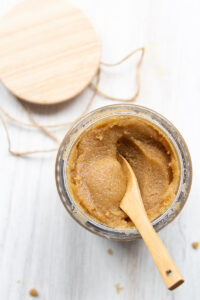
Have you ever wondered what’s really in your face moisturiser? Many commercial products are packed with preservatives, synthetic fragrances, and chemicals you can barely pronounce. What if you could take control of your skincare routine by making your own DIY face moisturiser at home, tailored exactly to your skin’s needs? Whether you have sensitive, dry, or combination skin, creating your own moisturiser isn’t just empowering — it’s surprisingly simple once you understand the basics.
In this guide, we’ll walk you through everything you need to know to craft a beautiful, nourishing, and stable face cream from scratch. From choosing the right oils and emulsifiers to ensuring safe preservation, you’ll finish with a practical, beginner-friendly recipe that delivers hydration and glow without any guesswork.
Understanding the Basics of a DIY Face Moisturiser
A face moisturiser is essentially an emulsion, a stable mixture of water and oil phases combined with an emulsifier. This blend hydrates your skin while locking in moisture and providing skin-loving nutrients. Here are the key components:
- Water Phase: Usually distilled water or hydrosols, this hydrates the skin.
- Oil Phase: Natural oils and butters nourish and protect the skin barrier.
- Emulsifier: A natural or cosmetic-grade agent that binds water and oil together.
- Preservative: Necessary to prevent microbial growth due to the water content.
- Optional Additives: Vitamins, extracts, essential oils for extra benefits and scent.
Ingredients List for a Beginner-Friendly DIY Face Moisturiser
This formulation is designed to be gentle and effective for most skin types, especially dry to normal skin. Quantities are given both in grams and percentages for easy scaling.
| Ingredient | Percentage (%) | Weight (grams for 100g batch) | Purpose |
|---|---|---|---|
| Distilled Water | 67 | 67g | Hydration (Water Phase) |
| Sweet Almond Oil | 10 | 10g | Emollient (Oil Phase) |
| Shea Butter (Refined) | 5 | 5g | Emollient and thickener (Oil Phase) |
| Olive Squalane | 3 | 3g | Light emollient (Oil Phase) |
| Emulsifying Wax (Polawax or Olivem 1000) | 7 | 7g | Emulsifier |
| Glycerin | 5 | 5g | Humectant (Water Phase) |
| Preservative (e.g. Geogard ECT or Leucidal) | 1 | 1g | Preservation |
| Vitamin E (Tocopherol) | 0.5 | 0.5g | Antioxidant |
| Essential Oils (Optional) | 0.5 | 0.5g (approx. 10 drops) | Fragrance and skin benefits |
Step-by-Step Method to Make Your DIY Face Moisturiser
- Sanitise Your Workspace and Equipment: Clean all tools, containers, and work surfaces with rubbing alcohol or boiling water to avoid contamination.
- Prepare the Water Phase: In a heatproof glass or stainless steel bowl, combine distilled water and glycerin.
- Prepare the Oil Phase: In a separate heatproof bowl, add sweet almond oil, shea butter, olive squalane, and emulsifying wax.
- Heat Both Phases: Gently heat both bowls in a double boiler or a pot of simmering water until the oil phase is fully melted and both phases reach approximately 70°C (160°F).
- Combine Phases: Slowly pour the hot oil phase into the hot water phase while continuously whisking or using a hand blender. Continue mixing for about 3-5 minutes until the mixture thickens and cools.
- Cool Down and Add Actives: Once the mixture is around 40°C (104°F), add the preservative, vitamin E, and essential oils if using. Stir thoroughly but gently.
- Transfer and Store: Pour the moisturiser into a sterilised, airtight container. Allow it to cool completely before sealing.
Safety Precautions and Storage Tips
- Preservation is Essential: Since this moisturiser contains water, a broad-spectrum preservative like Geogard ECT or Leucidal is mandatory to prevent mould and bacterial growth.
- Patch Test: Always perform a patch test before applying your DIY moisturiser to your face to check for allergic reactions or sensitivities.
- Clean Hands and Tools: Use a clean spatula or pump to dispense the moisturiser to avoid contamination.
- Storage: Store your moisturiser in a cool, dark place away from sunlight. A glass jar or pump bottle is ideal.
- Shelf Life: With proper preservation, your DIY face moisturiser should last 3-6 months. Discard if you notice any change in smell, colour, or texture.
FAQ: Common Questions About DIY Face Moisturisers
1. Can I substitute the oils in this recipe?
Yes! You can swap sweet almond oil or olive squalane with other skin-friendly oils like jojoba, argan, or rosehip. Keep the total oil percentage consistent to maintain the emulsion stability.
2. Why do I need an emulsifier?
Water and oils don’t mix naturally. An emulsifier binds them together, creating a smooth, creamy texture that won’t separate. Without it, your moisturiser would be a watery oil slick.
3. Can I make this moisturiser without preservatives?
It’s not recommended. Water-based products are prone to microbial growth, which can cause infections or skin irritations. Always include a preservative when making emulsions with water.
4. How do I adjust this recipe for oily or acne-prone skin?
Use lighter oils such as grapeseed or squalane, and reduce or omit heavier butters like shea butter. You can also add ingredients like niacinamide or green tea extract to help balance oil production.
5. Can I add essential oils for fragrance?
Yes, but keep it minimal (up to 0.5%) to avoid irritation, especially on sensitive facial skin. Always choose skin-safe essential oils like lavender or chamomile and conduct a patch test.
Final Thoughts: Embrace the Joy of DIY Skincare
Making your own DIY face moisturiser is a rewarding step towards healthier, personalised skincare. You gain full control over what goes on your skin, avoid unnecessary chemicals, and discover the satisfaction of crafting your own beauty essentials. Whether you’re a beginner or an experienced formulator, the fundamentals remain the same: quality ingredients, proper emulsification, and good preservation.
So why not take the plunge today? Gather your ingredients, follow this guide, and enjoy the glow that comes from knowing exactly what’s in your face cream. With DIY skincare, you’re not just treating your skin — you’re nurturing your confidence and creativity too.
You May Also Like