Unlock Radiant Skin: Make Your Own DIY AHA BHA Toner at Home
Have you ever wondered what it feels like to have a professional chemical exfoliant tailored exactly to your skin’s needs? Instead of spending a fortune on commercial toners packed with unknown ingredients, imagine crafting your own DIY AHA BHA toner that gently sweeps away dead skin cells, unclogs pores, and reveals a fresh, glowing complexion. It sounds like skincare wizardry, but with the right guidance, you can master the art of safe and effective exfoliation right in your kitchen. Let’s dive into everything you need to know about creating a powerful yet gentle exfoliating toner that combines the best of alpha hydroxy acids (AHAs) and beta hydroxy acids (BHAs).
What Makes an AHA BHA Toner Special?
AHAs and BHAs are chemical exfoliants that work differently but complement each other beautifully. AHAs like glycolic acid dissolve the bonds holding dead skin cells together on the surface, improving texture and brightness. BHAs such as salicylic acid penetrate pores to clear excess sebum and reduce inflammation, making them ideal for acne-prone skin. When you combine both in a well-balanced toner, you get a skincare powerhouse that refines skin texture, fights breakouts, and boosts radiance—all without harsh scrubbing.
Key Ingredients for Your DIY AHA BHA Toner
Below is a beginner-friendly recipe that balances effectiveness with safety, suitable for most skin types except very sensitive or compromised skin.
Ingredients List
- Distilled Water – 70% (acts as the base for your toner)
- Glycolic Acid (70% solution) – 5% (primary AHA for exfoliation)
- Salicylic Acid – 2% (BHA to unclog pores and calm inflammation)
- Aloe Vera Juice – 15% (soothing and hydrating)
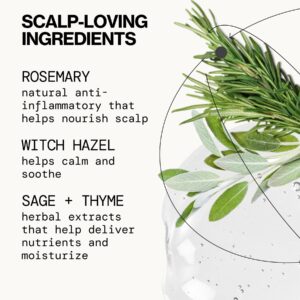
- Witch Hazel Extract (alcohol-free) – 5% (tones and tightens pores)
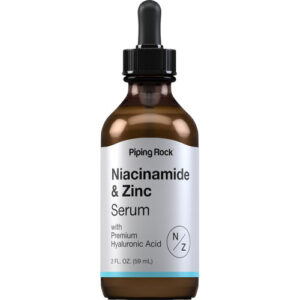
- Niacinamide (serum-scars/”>Vitamin B3) – 2% (brightens skin and reduces redness)
- Preservative (e.g., Geogard 221 or Leucidal Liquid) – as per manufacturer’s instructions (usually 0.6-1%)
Note: Glycolic acid is supplied as a 70% stock solution. The final product will have approximately 5% glycolic acid, a safe concentration for at-home use.
Step-by-Step Method: How to Make Your DIY AHA BHA Toner
- Sanitise your workspace and tools. Before you begin, clean your bottles, mixing bowls, spoons, and work surfaces with isopropyl alcohol or boiling water to prevent contamination.
- Prepare the water phase. Measure out 70 grams of distilled water into a clean, heat-safe mixing bowl.
- Add aloe vera juice and witch hazel. Pour in 15 grams of aloe vera juice and 5 grams of alcohol-free witch hazel, stirring gently to combine.
- Incorporate niacinamide. Slowly add 2 grams of niacinamide powder or pre-made solution, mixing until fully dissolved.
- Dissolve salicylic acid. Salicylic acid can be tricky to dissolve. Warm a small portion of distilled water (about 10 grams) to 40°C–50°C and stir in 2 grams of salicylic acid until completely dissolved. Add this solution back into the main mixture.
- Add glycolic acid. Measure 5 grams of 70% glycolic acid solution carefully and stir it into the mix. The acidity is essential for exfoliation but can be irritating if mismeasured.
- Check and adjust pH. Using pH test strips or a pH meter, check the toner’s pH. Your target pH is between 3.5 and 4.0 for safe and effective exfoliation. If too acidic (below 3.5), carefully add small amounts of sodium bicarbonate (baking soda) solution to raise pH. If too high, add a tiny amount of glycolic acid solution.
- Add preservative. Once your pH is balanced, add the preservative according to manufacturer instructions to ensure your toner stays fresh and safe.
- Transfer to a sterilised bottle. Use a funnel to pour your toner into a dark glass bottle with a spray or dropper cap to protect it from light and contamination.
- Label your toner. Include ingredients, date made, and pH for future reference.
Essential Safety Tips for Using Your DIY AHA BHA Toner
- Patch test first. Apply a small amount on your inner forearm and wait 24 hours to observe any irritation before using on your face.
- Start slow. Use the toner every second night initially, then increase frequency as tolerated.
- Wear sunscreen daily. AHAs and BHAs increase your skin’s sensitivity to UV rays. Apply broad-spectrum SPF 30+ every morning.
- Avoid mixing with other strong acids or retinoids. To prevent irritation, do not use your exfoliating toner on the same night as other potent actives.
- Store properly. Keep the toner in a cool, dark place away from direct sunlight and heat to maintain potency.
Storage and Shelf Life
With an effective preservative and proper storage, your DIY AHA BHA toner should remain stable for 4 to 6 weeks. Always check for any changes in smell, colour, or texture before use. If you notice any cloudiness or foul odour, discard the product immediately.
Frequently Asked Questions About DIY AHA BHA Toner
1. Can I adjust the acid concentration to make the toner stronger?
It’s best to stick with 5% glycolic acid and 2% salicylic acid for safe at-home use. Increasing concentrations can lead to irritation or chemical burns. If you want stronger exfoliation, consult a dermatologist or consider professional treatments.
2. Is this DIY toner suitable for sensitive skin?
Those with sensitive or compromised skin should use this toner cautiously. A patch test is essential. You may reduce acid levels or use the toner less frequently. Alternatively, focus on AHAs only, as BHAs can be more irritating for some.
3. How often should I use this exfoliating toner?
Start with using it two to three times a week, preferably at night. If your skin tolerates it well, you can increase usage up to nightly. Always listen to your skin and adjust accordingly.
4. Can I add other ingredients like essential oils or hydrating agents?
Adding essential oils is not recommended as they can cause irritation with acids. Hydrating ingredients like glycerin or hyaluronic acid can be incorporated carefully, but ensure the pH remains in the safe exfoliation range.
5. How do I know if my toner is working?
You should notice smoother, brighter skin within 2-4 weeks of consistent use. Mild tingling after application is normal, but burning or redness indicates irritation—reduce use or discontinue if this happens.
Ready to Embrace the Power of DIY Skincare?
Creating your own DIY AHA BHA toner is an empowering step toward understanding what your skin truly needs. By controlling the ingredients, concentrations, and formulation process, you gain confidence in your skincare routine and save money on expensive products. Remember, patience and respect for your skin’s limits are key. With this easy-to-follow recipe and safety tips, you’re well on your way to revealing smoother, clearer, and more radiant skin. Embrace DIY skincare as a journey of discovery, creativity, and self-care—you might just find it’s your skin’s new best friend.
You May Also Like