The Best Carrier Oils for Skin: A Complete DIY Guide for 2026
If you have ever spent an afternoon browsing the aisles of a natural health shop, you know how overwhelming the world of oils can be. From the deep green of avocado oil to the golden shimmer of jojoba, each bottle promises a different miracle for your complexion. But for those of us who love DIY skincare, these aren’t just bottles on a shelf. They are the building blocks of our daily rituals. Finding the best carrier oils for skin isn’t just about picking the most expensive option; it is about understanding the unique chemistry of your own face and how different plant fats interact with your lipid barrier. In this guide, we are going to strip back the marketing jargon and look at what actually makes a carrier oil effective, how to choose the right one for your skin type, and how to blend them like a pro right in your own kitchen.
Whether you are trying to calm a hormonal breakout, soothe dry patches from the harsh Australian sun, or simply want to add a healthy glow to your morning routine, carrier oils are your most powerful tool. Unlike essential oils, which are highly concentrated and must be used with extreme caution, carrier oils are the gentle workhorses of the skincare world. They provide the moisture, the vitamins, and the protective barrier that our skin needs to thrive. By the end of this article, you will know exactly which oils deserve a spot in your bathroom cabinet and how to use them to create a personalised skincare routine that rivals any high-end boutique brand.
Understanding Carrier Oils: More Than Just a Base
Before we dive into specific recommendations, it is important to understand what a carrier oil actually is. In the world of aromatherapy and DIY beauty, a carrier oil is a vegetable oil derived from the fatty portion of a plant, usually from the seeds, kernels, or nuts. They are called “carrier” oils because they carry essential oils into the skin, but they are so much more than just a delivery system. Each oil has its own therapeutic properties, determined by its unique profile of fatty acids, vitamins, and antioxidants. When we talk about the best carrier oils for skin, we are really talking about how these components match up with your skin’s needs.
The two most important things to look at when choosing an oil are its fatty acid profile and its comedogenic rating. Fatty acids generally fall into two categories: linoleic acid and oleic acid. Oils high in linoleic acid, like hemp seed or rosehip, tend to be lighter, faster-absorbing, and are often better for oily or acne-prone skin. On the other hand, oils high in oleic acid, like macadamia or avocado, are richer, more occlusive, and provide deep nourishment for dry or mature skin. Understanding this balance is the first step in moving from “guessing” to “formulating.”
Then there is the comedogenic rating, which is a scale from 0 to 5 that indicates how likely an oil is to clog your pores. A rating of 0 means it is very unlikely to cause breakouts, while a 5 means it is highly likely. While everyone’s skin is different, keeping these ratings in mind can save you a lot of frustration. For example, if you have oily skin, you might want to stick to oils with a rating of 0 or 1, like jojoba or hemp seed oil. If you have very dry skin, you might find that a richer oil with a slightly higher rating, like avocado oil, provides the barrier support you have been missing. [LINK: carrier oil comedogenic ratings | understanding pore-clogging ingredients]
The Best Carrier Oils for Every Skin Type
Now that we have the basics down, let’s look at the specific oils that consistently rank as the best carrier oils for skin across different categories. Australia is home to some incredible native oils, and incorporating these into your DIY projects can give you fantastic results while supporting local producers.
Oily and Acne-Prone Skin: Hemp Seed and Jojoba
If you have oily skin, the right oils can actually help balance your skin’s natural sebum production. Hemp seed oil is a standout here. It has a comedogenic rating of 0, meaning it won’t clog your pores, and it is exceptionally high in linoleic acid. This is important because research suggests that people with acne often have lower levels of linoleic acid in their skin’s surface lipids. By applying hemp seed oil, you are helping to replenish that balance and thin out the thick, sticky sebum that leads to breakouts. It also has a beautiful, nutty scent and a “dry” feel that absorbs almost instantly.
Jojoba oil is another essential for oily types. Technically, jojoba isn’t an oil at all but a liquid wax ester. Its molecular structure is incredibly similar to human sebum. When you apply jojoba, your skin “thinks” it has produced enough oil and can actually slow down its own production. It is a fantastic balancer and serves as an excellent base for almost any DIY facial serum. Plus, it is very stable and has a long shelf life, making it a reliable staple for your DIY kit.
Dry and Dehydrated Skin: Macadamia and Avocado
For those of us dealing with dry, flaky, or dehydrated skin, we need oils that offer deep penetration and a strong protective seal. Macadamia oil is an Australian treasure that is often overlooked. It is rich in palmitoleic acid, an omega-7 fatty acid that we naturally produce in our skin but that decreases as we age. This makes macadamia oil incredibly nourishing and helpful for maintaining skin elasticity. It feels luxurious and rich without being overly greasy, and it leaves the skin feeling incredibly soft and supple.
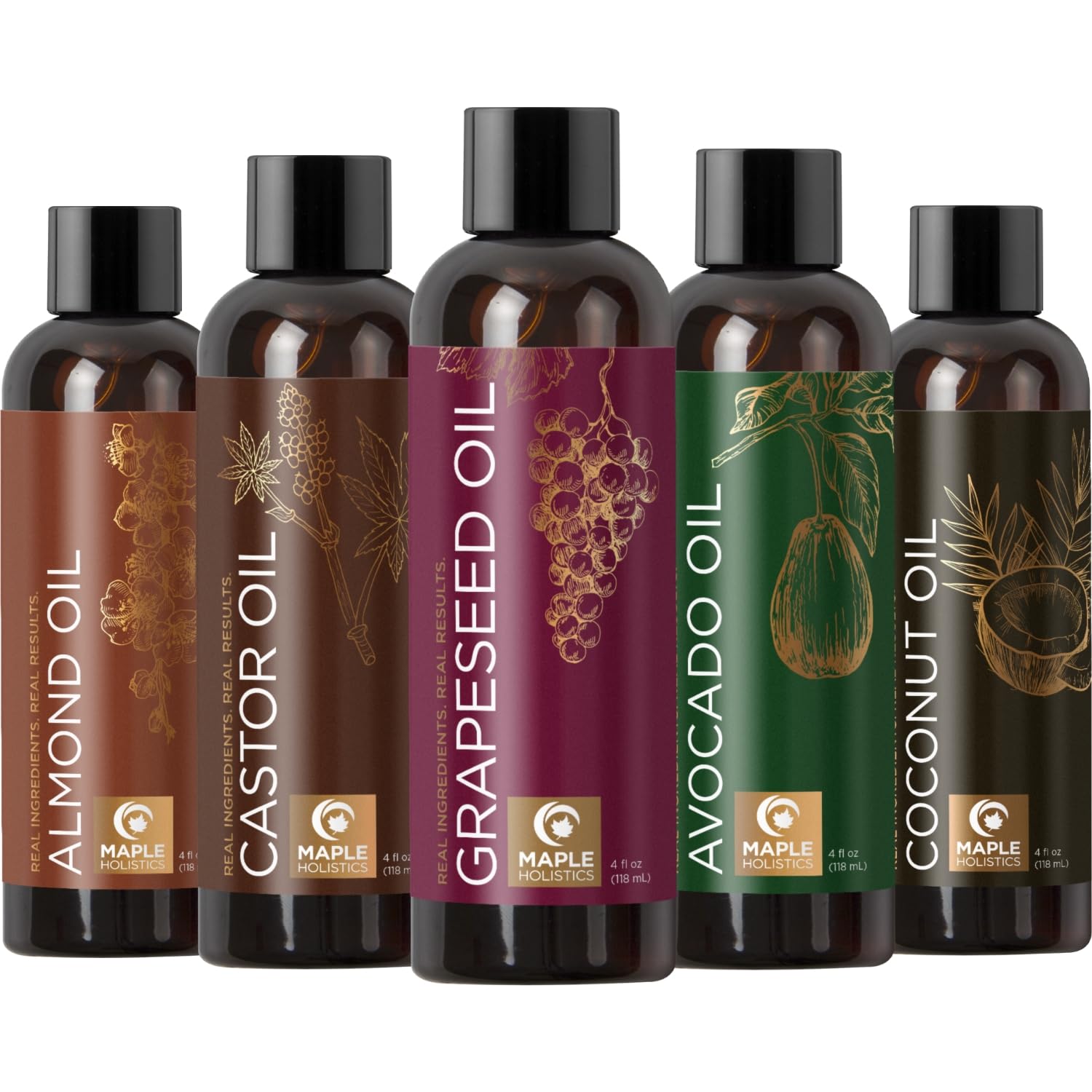
Avocado oil is another heavy hitter for dry skin. It is packed with vitamins A, D, and E, as well as lecithin and potassium. Because it is so rich in oleic acid, it is able to penetrate deeper into the dermis than many other oils. This makes it ideal for overnight treatments or for use on particularly dry areas like the elbows and knees. If you find the scent of unrefined avocado oil a bit too “green,” you can easily blend it with a lighter oil like sweet almond to create a more balanced feel. [LINK: dry skin remedies | natural ways to boost skin hydration]
Repair and Scars: Tamanu and Rosehip
Tamanu oil is often called “green gold” because of its remarkable ability to promote skin regeneration and healing. It has been used for centuries in the South Pacific for everything from minor burns to surgical scars. Tamanu oil is quite thick and has a strong, earthy scent, so it is often best used as a spot treatment or blended with a lighter oil. It is truly a powerhouse for anyone looking to repair skin damage or fade post-acne marks.
Rosehip oil is perhaps the most famous oil for skin repair, and for good reason. It is naturally high in trans-retinoic acid, a natural precursor to retinol, which helps to speed up cell turnover and promote collagen production. This makes it an incredible oil for fading scars, reducing the appearance of fine lines, and evening out skin tone. Rosehip oil is a “dry” oil, meaning it absorbs quickly and doesn’t leave a greasy residue. It is a staple in many high-end anti-ageing serums and is a must-have for any DIY skincare enthusiast. [LINK: rosehip oil guide | how to use rosehip oil for skin repair]
DIY Recipe: The ‘Ultimate Glow’ Facial Oil Blend
Now that you have a better understanding of which oils are best for your skin type, let’s put that knowledge into practice with a simple yet effective DIY recipe. This ‘Ultimate Glow’ Facial Oil Blend is designed to be a versatile, all-purpose serum that provides hydration, antioxidant protection, and a healthy radiance. It uses a combination of oils that work together to balance and nourish almost any skin type.
| Ingredient | Amount | Purpose |
|---|---|---|
| Jojoba Oil | 15ml | Base oil; balances sebum and provides stability |
| Rosehip Oil | 10ml | Repair oil; rich in vitamins and natural retinol |
| Evening Primrose Oil | 4ml | Soothing oil; calms inflammation and redness |
| Vitamin E (Tocopherol) | 1ml | Antioxidant; protects the skin and extends shelf life |
Once you have your ingredients ready, follow these simple steps to create your custom facial oil:
- Clean and dry your 30ml amber glass bottle and dropper thoroughly.
- Using a small funnel or a steady hand, pour the jojoba oil into the bottle.
- Add the rosehip oil and evening primrose oil to the bottle.
- Carefully add the vitamin E oil. This acts as both a skin-loving antioxidant and a natural preservative for your blend.
- Close the bottle and roll it gently between your palms to mix the oils.
- Label your bottle with the name of the blend and the date you made it.
To use your ‘Ultimate Glow’ Facial Oil, simply apply 2-3 drops to clean, damp skin after your water-based serums but before your moisturiser. Gently press the oil into your face and neck. You can use it both morning and night, or just in the evening for a more intensive treatment.
Conclusion: Finding Your Perfect Blend
Choosing the best carrier oils for skin is a journey of discovery. It is about listening to your skin, experimenting with different combinations, and finding what makes you feel your most radiant. Whether you are a seasoned DIY pro or just starting out, carrier oils offer a world of possibilities for creating effective, natural, and personalised skincare. By understanding the unique properties of each oil and how they work together, you can take control of your beauty routine and achieve results that are truly skin-deep. Grab some bottles, start mixing, and enjoy the process of creating something beautiful for your skin. Happy blending!
You May Also Like