Glycerin in Skincare Benefits: The Ultimate DIY Guide to Dewy Skin
In the fast-moving world of beauty trends, we often find ourselves chasing the latest “miracle” ingredient or exotic botanical extract. However, some of the most effective tools for achieving a healthy, glowing complexion have been sitting in our cupboards for decades. If you have ever looked at the back of your favourite moisturiser or serum, there is a high chance you saw glycerin near the top of the list. While it might not sound as glamorous as some rare alpine flower, the range of glycerin in skincare benefits is truly unmatched when it comes to hydration and barrier repair. For the DIY skincare enthusiast, understanding how to harness this humble humectant is the key to creating professional-grade products at home that actually deliver results.
Whether you are struggling with dry patches, looking to plump up fine lines, or simply want to understand why your skin feels so much better after a hydrating mask, this guide is for you. We will dive deep into the science of how glycerin works, compare it to other popular hydrators like hyaluronic acid, and show you exactly how to incorporate it into your own natural formulations. By the end of this article, you will know why vegetable glycerin is a non-negotiable staple in any Australian DIY skincare kit and how to use it safely for maximum impact.
What Exactly is Glycerin and How Does it Work?
Glycerin, also known as glycerol, is a clear, odourless, and syrupy liquid that occurs naturally in all animal and vegetable fats. In the world of natural skincare, we almost exclusively use vegetable glycerin, which is typically derived from oils like coconut, soy, or palm. Chemically, it is classified as a humectant. This means it has a unique molecular structure that allows it to attract and bind to water molecules. Think of it like a microscopic sponge that draws moisture from the surrounding environment and pulls it into the skin.
The magic of glycerin lies in its ability to work with the skin’s natural moisture pathways. It mimics what is known as the Natural Moisturising Factor (NMF) of our skin. When applied topically, it does not just sit on the surface; it can actually penetrate the stratum corneum, which is the outermost layer of your skin. This deep penetration is what sets it apart from many other moisturisers that only provide temporary surface relief. It helps to maintain the elasticity of the skin and supports the lipid barrier, ensuring that the moisture it pulls in stays exactly where it belongs.
One important thing to remember is that glycerin is highly hygroscopic. This means it is so good at attracting water that in very dry environments with low humidity, it can actually pull moisture out of the deeper layers of your skin if it cannot find enough in the air. This is why we always recommend diluting glycerin or pairing it with occlusive ingredients like [LINK: carrier oils | matching oils to skin type] to lock that hydration in. When used correctly, it creates a reservoir of moisture that keeps your face feeling soft and supple all day long.
Top 5 Glycerin in Skincare Benefits You Need to Know
When we talk about glycerin in skincare benefits, the conversation usually starts and ends with hydration. While being a moisture magnet is its primary job, this versatile ingredient does so much more for your complexion than just quenching thirst. Here are five reasons why you should be reaching for that bottle of vegetable glycerin for your next DIY project.
1. Intense and Long-Lasting Hydration
As a powerhouse humectant, glycerin is one of the most effective ways to treat dehydrated skin. It draws water from the air and the deeper layers of the dermis to the surface, providing an immediate plumping effect. Unlike some lightweight hydrators that evaporate quickly, glycerin helps to create a “moisture reservoir” in the skin, keeping it hydrated for hours after application. This makes it particularly useful for those living in harsh Australian climates where the sun and wind can quickly strip the skin of its natural oils.
2. Strengthening the Skin Barrier
Your skin barrier is your first line of defence against environmental toxins and moisture loss. Glycerin plays a crucial role in maintaining the integrity of this barrier. It helps to stabilise the lipids in the skin, which act as the “mortar” between your skin cells. By keeping this barrier strong and healthy, glycerin helps to prevent “trans-epidermal water loss” (TEWL), ensuring your skin remains resilient and less prone to sensitivity or breakouts caused by external irritants.
3. Smoothing Skin Texture and Elasticity
As we age, our skin naturally loses its ability to retain moisture, leading to a loss of elasticity and the appearance of fine lines. By regularly using glycerin, you can help restore some of that lost bounce. Because it plumps the skin cells with water, it effectively “fills in” fine lines and smooths out rough patches. This results in a more youthful, radiant appearance and a texture that feels silky to the touch rather than papery or tight.
4. Soothing Irritation and Accelerating Healing
Glycerin has mild antimicrobial and anti-inflammatory properties, making it an excellent choice for those with sensitive or reactive skin. It provides a cooling sensation upon application and can help to calm redness associated with conditions like eczema or dermatitis. Furthermore, by keeping the skin hydrated and protected, it creates the optimal environment for the skin to repair itself, which is why you will often find it in “cica” creams and healing balms designed for post-procedure care.
5. Enhancing Ingredient Penetration
One of the most overlooked benefits of glycerin is its ability to act as a delivery vehicle for other active ingredients. By softening the outer layer of the skin, it makes it easier for other beneficial compounds—like vitamins, antioxidants, and botanical extracts—to penetrate deeper. If you are making a DIY serum, adding a small amount of glycerin can actually make your other ingredients work harder and more effectively.
Glycerin vs Hyaluronic Acid: Which is Better?
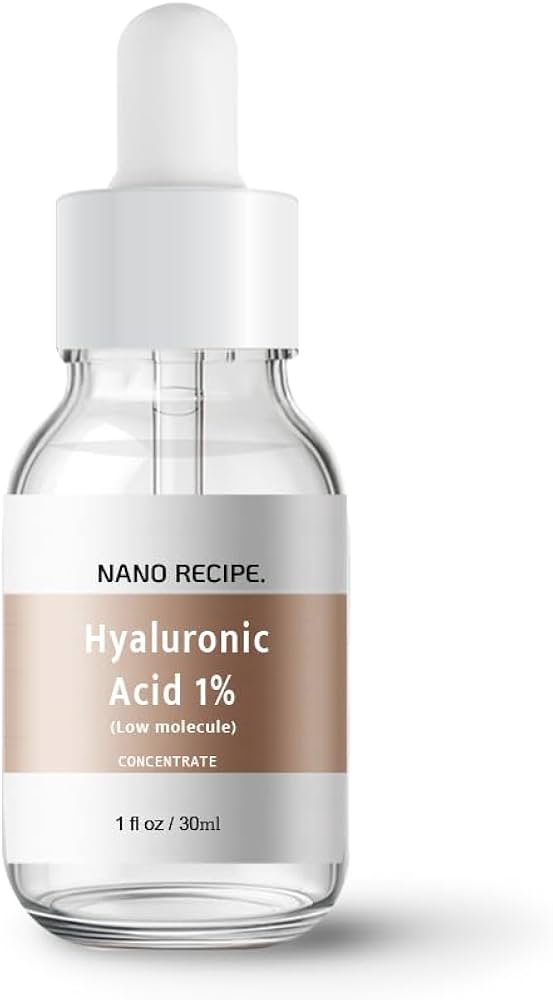
In the battle of the humectants, hyaluronic acid often gets all the glory, but glycerin is the reliable workhorse that often performs just as well, if not better, in certain formulations. Hyaluronic acid is famous for being able to hold up to 1,000 times its weight in water, which is an incredible feat. However, it also has a much larger molecular weight than glycerin, meaning it often sits on the very surface of the skin unless it is formulated in a very specific way with “low molecular weight” versions.
Glycerin, on the other hand, has a very small molecular size. This allows it to travel deeper into the skin’s layers more easily than standard hyaluronic acid. While hyaluronic acid provides that immediate “wow” factor and a glass-skin finish, glycerin provides a more sustained, deep-seated hydration that lasts. In many ways, they are the perfect pair. Using them together allows you to hydrate multiple layers of the skin simultaneously. For the DIYer, glycerin is also much more affordable and easier to work with, as it does not require the same careful pH balancing or preservation techniques that some high-end hyaluronic acid serums demand.
How to Use Glycerin in Your DIY Skincare Routine
The most important rule when working with glycerin is that you should never use it at 100% concentration directly on your skin. Because it is so powerful at attracting water, pure glycerin can actually draw moisture out of your skin cells if it is not balanced with water or other liquids. For most DIY recipes, a concentration of 5% to 10% is the “sweet spot” for achieving maximum hydration without any stickiness.
If you are just starting out, the easiest way to use glycerin is to add a few drops to your existing products. You can mix a drop into your palm with your favourite moisturiser before applying it to your face. Alternatively, you can create a simple hydrating toner by mixing vegetable glycerin with distilled water or floral hydrosols like rose water or lavender water. This creates a refreshing mist that you can use throughout the day to keep your skin feeling dewy. Just remember that any DIY product containing water will need a [LINK: natural preservatives | keeping DIY products safe] if you plan on keeping it for more than a few days.
DIY Hydrating Rose & Glycerin Face Mist Recipe
This is one of the simplest yet most effective recipes for anyone wanting to experience glycerin in skincare benefits firsthand. This mist is perfect for setting makeup, refreshing your skin after a flight, or providing a base layer of hydration before you apply your face oils or serums. The rose water provides a beautiful scent and mild astringent properties, while the glycerin ensures your skin stays plump and hydrated.
| Ingredient | Amount | Purpose |
|---|---|---|
| Rose Water (Hydrosol) | 90 ml | Soothing base and natural fragrance |
| Vegetable Glycerin | 5 ml (approx. 1 teaspoon) | Humectant for deep hydration |
| Aloe Vera Juice (Optional) | 5 ml | Additional soothing and vitamins |
| Natural Preservative | As per manufacturer instructions | To prevent bacterial growth |
Step-by-Step Instructions:
- Clean and sterilise a 100ml glass spray bottle. This is a crucial step to ensure your DIY creation stays fresh and safe for your skin.
- Pour the rose water into the bottle using a small funnel to avoid spills.
- Add the vegetable glycerin and aloe vera juice. You will notice the glycerin is quite thick, so give it a moment to settle into the liquid.
- If you are using a preservative, add it now according to the specific dosage recommended for your chosen brand.
- Close the bottle tightly and shake vigorously for about 30 seconds to ensure the glycerin is fully incorporated into the water.
- To use, simply mist over your face and neck after cleansing, or whenever your skin feels a little dry throughout the day.
Troubleshooting and Tips for Using Glycerin
One common complaint when using glycerin is that it can feel “tacky” or sticky on the skin. This usually happens if the concentration is too high. If your DIY serum feels like it is not absorbing, try diluting it further with more water or rose hydrosol. A little bit truly goes a long way. Another tip for avoiding stickiness is to always apply your glycerin-based products to damp skin. This gives the glycerin an immediate source of water to bind to, allowing it to sink in much faster.
Storage is also important. Vegetable glycerin is quite stable, but it should be kept in a cool, dark place to maintain its quality. If you have made a water-based mist or toner, it is best to keep it in the fridge. Not only does this help extend the shelf life, but the cold temperature also provides an extra soothing effect for tired or puffy skin. Always check your DIY products for any changes in smell or colour, and if in doubt, toss it out and make a fresh batch. Since glycerin is so affordable, there is no reason to take risks with expired products.
Conclusion
Glycerin might not be the newest or flashiest ingredient on the market, but its staying power is a testament to its incredible efficacy. From providing deep-seated hydration to protecting your skin’s delicate barrier, the glycerin in skincare benefits make it a must-have for anyone serious about natural beauty. By learning how to formulate with this versatile humectant, you can take control of your skincare routine and create products that are perfectly tailored to your skin’s unique needs.
We hope this guide has inspired you to look at this ingredient in a new light. Whether you start by adding a drop to your moisturiser or by mixing up your own rose water mist, your skin will thank you for the extra boost of hydration. If you are ready to dive deeper into the world of natural formulation, be sure to check out our other ingredient guides or browse our selection of high-quality vegetable glycerin to get started on your next DIY project today. Happy making!
You May Also Like