How to Layer Skincare Products Correctly for Maximum Results
If you have ever stared at your collection of bottles and wondered which one goes first, you are not alone. With so many serums, oils, and moisturisers available, the order of application can feel like a complex puzzle. However, understanding how to layer skincare products correctly is the secret to ensuring every ingredient actually reaches your skin and does its job. In this guide, we will break down the science of layering, why the order matters, and how you can create a professional routine at home using your favourite DIY ingredients. Whether you are a beginner or a seasoned formulator, mastering this sequence is the single most effective way to improve your skin’s health and appearance.
The beauty industry often promotes complex routines, but you do not need a massive collection to see results. What you do need is a logical approach to how those products are applied. When you apply your skincare in the right order, you are essentially creating a delivery system that allows each layer to perform its specific function. This means your hydrating serums penetrate deeply, your active treatments work effectively, and your moisturisers and oils seal everything in to prevent moisture loss throughout the day or night. Let’s dive into the core principles that will transform your daily ritual into a science-backed success.
The Golden Rule: Thinnest to Thickest Consistency
The most important principle when learning how to layer skincare products correctly is to follow the consistency of the products. A good rule of thumb is to start with the most watery, lightweight formulations and gradually move towards the heavier, oilier, or creamier ones. This is because thin, water-based products cannot penetrate through thick, occlusive oils or creams. If you apply a heavy face oil first, your expensive vitamin C serum will simply sit on top of it and eventually evaporate without ever touching your skin cells [1]. This is one of the most common mistakes people make, and it often leads to the frustration of seeing no results from high-quality ingredients.
By starting with liquids like toners and essences, you are prepping the skin to absorb more concentrated treatments. Think of your skin like a sponge. If a sponge is bone dry, a thick cream will just sit on the surface. If the sponge is slightly damp from a toner or essence, it is far more receptive to the active ingredients that follow. This sequence ensures that water-soluble actives like hyaluronic acid or niacinamide are absorbed deeply before being “locked in” by moisturisers and oils [2]. Furthermore, applying lightweight products first allows them to dry and settle properly, which reduces the likelihood of “pilling” when you add subsequent layers.
Consistency is also a great guide for DIY formulators. When you are creating your own skincare, you should always consider where your product fits into this hierarchy. A lightweight rosewater toner will always be a step one or two, while a rich shea butter balm will almost always be the final step. Understanding this flow helps you design products that complement each other rather than compete for absorption. If you find that your products are sitting on your skin or feeling greasy, it is often a sign that the layering order is slightly off or that you are applying a heavy product before a lighter one has had a chance to sink in [3].
Understanding Water-Based vs Oil-Based Products
Beyond just thickness, you must consider the base of your product. Water and oil do not mix naturally. In the world of skincare, water-based products should always come before oil-based ones. Most serums and toners are water-based, designed to deliver hydration and active ingredients. Face oils and many moisturisers contain lipids that create a barrier on the skin. This barrier is fantastic for preventing moisture loss, but it is also very effective at blocking other products from getting in. Therefore, always apply your hydrating serums before your nourishing oils. This fundamental rule is why we often see face oils as the very last step in a nighttime routine.
If you are a DIY enthusiast, this is particularly important when formulating your own products. For instance, if you make a botanical facial oil, it should always be one of the final steps in your routine. Even if the oil feels “light,” its molecular structure is designed to seal the skin. Using it too early in the process is a common mistake that can lead to breakouts or simply wasted products that never get a chance to work their magic. This is because the oil molecules are much larger than the water molecules found in serums. If the oil is applied first, it forms a microscopic film that water-based ingredients simply cannot pass through.
When you are layering multiple serums, look at the ingredients list. If water (aqua) is the first ingredient, it is a water-based serum. If an oil like jojoba, almond, or rosehip is the first ingredient, it is an oil-based serum. Applying your water-based serum first ensures that your skin gets that initial burst of hydration. Then, following up with an oil-based product helps to trap that water in the skin, which is essential for maintaining a healthy skin barrier. This “sandwich” method of hydration is particularly effective for those with dry or dehydrated skin, especially in the harsh Australian sun where moisture loss is a constant battle.
A Step-by-Step Guide to the Perfect Layering Order
To help you master how to layer skincare products correctly, here is a definitive step-by-step breakdown for both morning and evening routines. While you do not need ten steps every day, following this order for the products you do use will yield the best results.
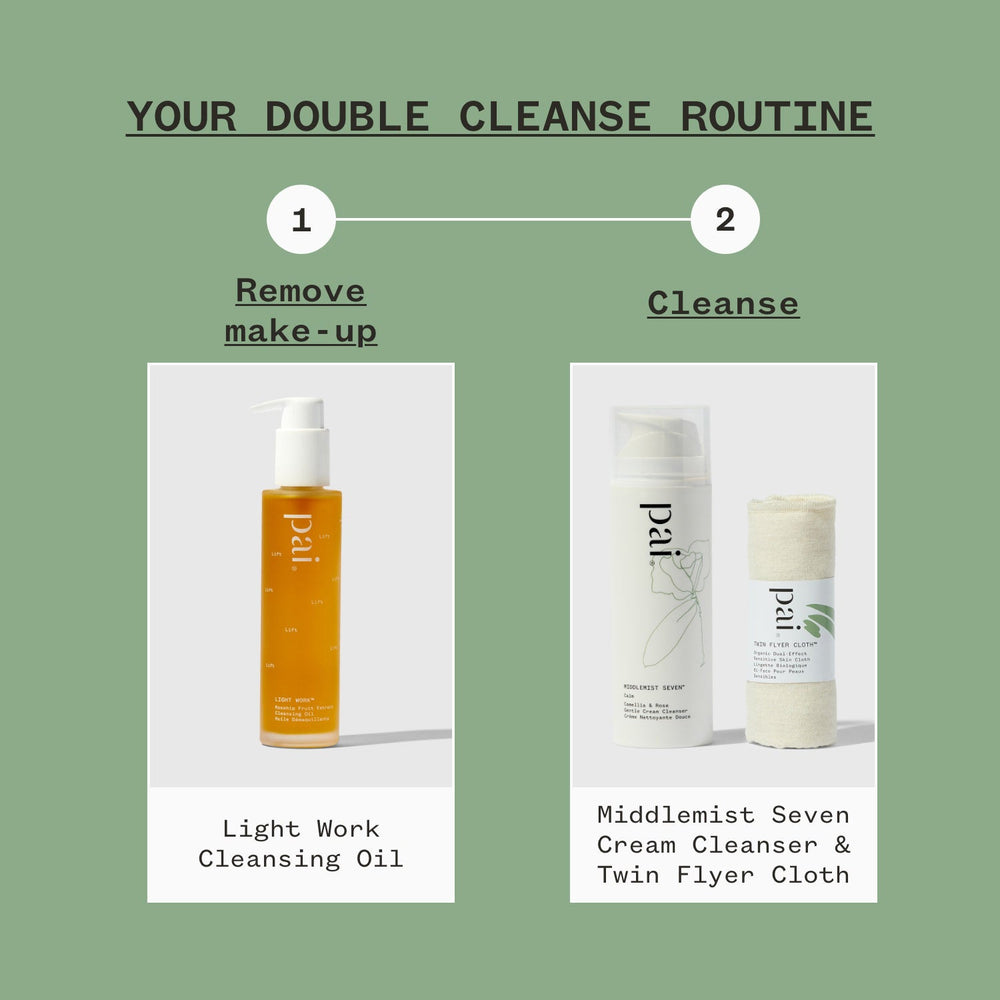
- Cleanser: Always start with a clean canvas. Remove dirt, sweat, and old product to allow new ingredients to penetrate.
- Exfoliator: After cleansing, an exfoliator helps remove dead skin cells. This step is crucial because it clears the path for your serums to reach the fresh skin underneath.
- Toner or Essence: These lightweight liquids balance the skin’s pH and provide the first layer of hydration.
- Water-Based Serums: This is where your “actives” go. Apply serums containing Vitamin C, Niacinamide, or Hyaluronic Acid now.
- Eye Cream: The skin around the eyes is delicate. Applying eye cream before your main moisturiser ensures it stays in place.
- Moisturiser: This step hydrates the skin and begins the sealing process. The moisturiser acts as a barrier to keep your serums from evaporating.
- Face Oils: Oils are occlusive. They should be applied after or mixed into your moisturiser to lock everything in.
- Sunscreen (AM Only): The final and most important step in the morning. Sunscreen must sit on top to protect you from UV rays.
DIY Hydrating Serum Recipe
One of the best ways to practice how to layer skincare products correctly is by incorporating a simple, effective DIY serum into your routine. This water-based serum is designed to be applied early in your sequence to provide deep hydration.
| Ingredient | Amount | Purpose |
|---|---|---|
| Rose Water | 40ml | Soothing base and pH balancer |
| Vegetable Glycerin | 5ml | Humectant to draw moisture into the skin |
| Hyaluronic Acid Powder | 0.5g | Intense hydration and plumping |
| Aloe Vera Gel | 5ml | Calming and healing properties |
To make this serum, simply whisk the ingredients together until the hyaluronic acid powder is fully dissolved. Store it in a glass dropper bottle in a cool, dark place. Because this is a water-based product, it should be applied after your toner but before any oils or creams. You can find high-quality ingredients for this recipe at [LINK: The Skin Science Company | DIY ingredients]. This serum is a fantastic addition to any routine, providing a boost of moisture that makes subsequent layers even more effective [4].
Tips and Troubleshooting for Better Layering
Even when you know how to layer skincare products correctly, you might encounter a few hiccups. One common issue is “pilling,” where the products roll up into small balls on your skin. This usually happens when you apply products too quickly or use too many silicone-based products in a row. To avoid this, give each layer about 30 to 60 seconds to absorb before moving to the next step. Patting the products into your skin rather than rubbing them can also help.
Another tip is to listen to your skin. Your skin’s needs can change daily based on the weather, your diet, and your stress levels. If your face feels heavy or greasy, you might be using too many layers or a product that is too rich for your current skin state. In the humid Australian climate, you might find that a toner, one serum, and a lightweight moisturiser are plenty for the daytime. For more advice on choosing the right products for your skin type, check out our guide on [LINK: choosing carrier oils | carrier oil guide].
Lastly, be mindful of ingredient interactions. For example, avoid using Vitamin C and Retinol at the same time, as they can cancel each other out or cause irritation. Vitamin C is best used in the morning for its antioxidant protection, while Retinol is a nighttime powerhouse for skin repair. Similarly, be cautious when layering multiple acids as this can lead to over-exfoliation and a compromised skin barrier. This is a crucial part of learning how to layer skincare products correctly without damaging your skin’s natural defences.
Conclusion
Mastering how to layer skincare products correctly does not require a degree in chemistry, but it does require a bit of patience and the right order. By moving from thinnest to thickest and ensuring water-based products precede oils, you can maximise the efficacy of your skincare routine. This logical approach ensures that every drop of product you use is working as hard as it can to give you the results you desire. Whether you are using store-bought luxuries or your own DIY creations, the principles remain the same: hydrate first, treat second, and seal third.
We hope this guide has demystified the process and given you the confidence to experiment with your own skincare layers. Remember, the best routine is the one that you actually enjoy doing and that makes your skin feel its best. Ready to start your DIY journey or stock up on high-quality ingredients? Visit [LINK: DIY Skincare Tips | homepage] for more recipes, tips, and expert advice. Your journey to glowing, healthy skin starts with the very first layer.
References
[1] GlazeMe, “How To Layer Skincare: The Complete 2026 Beginner Guide,” 2025. [Online]. Available: https://glazeme.com.au/blogs/skincare/how-to-layer-skincare-the-complete-2026-beginner-guide
[2] Zove Beauty, “The Ultimate Guide To Layering and Mixing Skincare,” 2020. [Online]. Available: https://zovebeauty.com.au/blogs/skin-school/the-ultimate-guide-to-layering-and-mixing-skincare
[3] Art of Skin Care, “Water vs Oil Based Skincare: Striking the Right Balance,” 2025. [Online]. Available: https://artofskincare.com/blogs/learn/water-vs-oil-based-skincare-striking-the-right-balance
[4] Dr. Pen Australia, “Serum Layering 101: Layer Serums Like A Pro,” 2020. [Online]. Available: https://drpen.com.au/blogs/news/serum-layering
You May Also Like