Hyaluronic acid has become the undisputed star of the modern skincare routine, and for good reason. This powerhouse molecule, naturally found in our skin, possesses the incredible ability to hold up to one thousand times its weight in water. For many skincare enthusiasts, the quest for that perfect, dewy glow often leads to high-end serums and creams. However, you do not need to spend a fortune on luxury brands to experience the benefits of this hydrating hero. Learning how to make a DIY hyaluronic acid moisturiser at home allows you to control the ingredients, customise the concentration, and ensure your skin receives the purest hydration possible without unnecessary fillers or synthetic fragrances.
For beginners and intermediate formulators alike, crafting your own skincare can be an empowering and rewarding experience. Whether you are looking to simplify your routine or want to dive deeper into the science of cosmetic chemistry, a DIY hyaluronic acid moisturiser is the perfect project. It combines simple, effective ingredients like aloe vera and niacinamide with the intense hydrating power of hyaluronic acid to create a lightweight, breathable formula suitable for all skin types. In this guide, we will explore the science behind this moisture-binding molecule and provide a step-by-step recipe to help you achieve professional results in your own kitchen.
Understanding Hyaluronic Acid: The Ultimate Humectant
In the world of skincare, hyaluronic acid is classified as a humectant. This means it acts like a high-tech sponge, drawing moisture from the surrounding environment and pulling it into the upper layers of the skin. While our bodies naturally produce hyaluronic acid to keep our joints lubricated and our skin plump, this production begins to decline as we age. By incorporating a DIY hyaluronic acid moisturiser into your daily regimen, you are effectively replenishing this vital substance, helping to maintain skin elasticity and a smooth, youthful texture.
One of the most significant advantages of hyaluronic acid is its versatility. Unlike some active ingredients that can be irritating, hyaluronic acid is incredibly gentle and compatible with almost every skin type. For those with oily or acne-prone skin, it provides essential hydration without the heavy, greasy feel of traditional oils. For individuals with dry or mature skin, it works to smooth out fine lines and provide a plump, hydrated base for other products. Understanding how this molecule functions is the first step toward creating a formula that truly transforms your complexion.
| Skin Type | Benefit of Hyaluronic Acid |
|---|---|
| Dry Skin | Provides deep, long-lasting hydration and reduces flakiness. |
| Oily Skin | Delivers moisture without clogging pores or adding excess oil. |
| Sensitive Skin | Soothes irritation and helps to strengthen the skin barrier. |
| Mature Skin | Plumps the appearance of fine lines and improves overall elasticity. |
The Science of Molecular Weights in Your DIY Hyaluronic Acid Moisturiser
When you begin sourcing ingredients for your DIY hyaluronic acid moisturiser, you will likely encounter terms like “high molecular weight” and “low molecular weight.” This distinction is crucial because the size of the hyaluronic acid molecule determines how it interacts with your skin. High molecular weight (HMW) hyaluronic acid consists of larger molecules that sit on the surface of the skin. They form a breathable, protective film that prevents moisture loss and provides an immediate smoothing effect. This is what gives your skin an immediate “plump” look after application.
On the other hand, low molecular weight (LMW) hyaluronic acid is comprised of smaller molecules that can penetrate deeper into the epidermis. These smaller particles provide more significant, long-term hydration by replenishing the skin’s internal moisture reservoirs. For the most effective DIY hyaluronic acid moisturiser, many formulators choose to use a blend of both weights. This “multi-molecular” approach ensures that your skin is hydrated from the inside out while also receiving the surface-level protection it needs to stay soft and supple throughout the day.
Why You Should Always Apply Hyaluronic Acid to Damp Skin
A common mistake many people make when using a DIY hyaluronic acid moisturiser is applying it to completely dry skin. Because hyaluronic acid is a humectant, it needs a source of moisture to draw from. If the air around you is very dry and there is no moisture on the surface of your skin, the molecule may actually pull water from the deeper layers of your dermis to hydrate the surface. This can lead to a paradoxical effect where your skin feels tighter or drier after use. To avoid this, always apply your moisturiser to skin that is slightly damp after cleansing or misting with a floral water.
Think of hyaluronic acid as a thirsty sponge. If you put a dry sponge on a dry surface, it stays dry. But if you place it on a damp surface, it quickly soaks up the water and expands. By applying your DIY hyaluronic acid moisturiser to damp skin, you are providing the molecule with the water it needs to function correctly. This simple adjustment to your application technique ensures that the moisture is locked into your skin, preventing transepidermal water loss (TEWL) and leaving your face feeling incredibly soft and hydrated. [Learn more about skin barrier health](INTERNAL_LINK) to understand why moisture retention is so vital.
Key Ingredients for Your Lightweight DIY Moisturiser
Creating a professional-grade DIY hyaluronic acid moisturiser requires a thoughtful selection of supporting ingredients. While hyaluronic acid is the star, it works best when paired with other skin-loving components that enhance its performance and provide additional benefits. For this recipe, we have chosen a base of aloe vera gel and distilled water, enriched with niacinamide and glycerin. Each of these ingredients plays a specific role in creating a balanced, effective formula that feels luxurious on the skin.
Aloe vera gel is renowned for its soothing and anti-inflammatory properties, making it an excellent base for any hydrating product. Niacinamide, also known as Vitamin B3, is a powerhouse ingredient that helps to brighten the complexion, reduce the appearance of enlarged pores, and strengthen the skin’s natural barrier. Glycerin acts as a secondary humectant, working in tandem with the hyaluronic acid to ensure multi-level hydration. Finally, a broad-spectrum preservative is essential for any water-based DIY project to prevent the growth of bacteria, mould, and yeast, ensuring your creation remains safe for use over several weeks.
DIY Hyaluronic Acid Moisturiser Recipe: The Hydration Hero
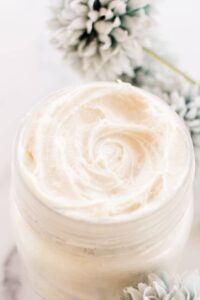
This recipe is designed to create a lightweight, gel-like moisturiser that absorbs quickly and leaves no sticky residue. It is perfect for use as a daily hydrating layer under your sunscreen or heavier night cream. Before you begin, ensure that all your equipment, including beakers, glass rods, and storage bottles, has been thoroughly sanitised with 70% isopropyl alcohol. Cleanliness is the most important factor in successful DIY skincare formulation.
Equipment Needed
- Small glass beaker or heat-safe bowl
- Precision digital scale (measuring to 0.01g)
- Glass stirring rod or small whisk
- pH testing strips
- Sanitised 50ml glass pump bottle or dropper bottle
Ingredients List (Makes 50g)
- Distilled Water: 37.5g (75%)
- Aloe Vera Gel (Pure): 7.5g (15%)
- Glycerin (Vegetable): 1.5g (3%)
- Niacinamide (Vitamin B3): 1.0g (2%)
- Hyaluronic Acid Powder (HMW/LMW Blend): 0.5g (1%)
- Liquid Preservative (e.g., Geogard ECT or Preservative Eco): 0.5g (1%)
- Optional: 2-3 drops of Lavender or Rose hydrosol for natural fragrance
Step-by-Step Instructions
- Prepare the Base: In your sanitised beaker, weigh out the distilled water and aloe vera gel. Stir gently until they are fully combined.
- Incorporate the Humectants: Add the vegetable glycerin to the mixture. Glycerin helps to disperse the hyaluronic acid powder more evenly, preventing the formation of clumps or “fish eyes.”
- Add the Actives: Carefully sprinkle the niacinamide powder into the liquid and stir until it is completely dissolved. Niacinamide is water-soluble and should incorporate easily at room temperature.
- The Hyaluronic Acid Phase: This is the most delicate step. Sprinkle the hyaluronic acid powder slowly over the surface of the liquid. Do not try to stir it in immediately. Let it sit for about 30 to 60 minutes. The powder will slowly hydrate and form a clear gel on its own.
- Final Mixing and Preservation: Once the hyaluronic acid has fully hydrated and the mixture is clear, give it a final gentle stir. Add your liquid preservative and any optional hydrosols. Stir thoroughly for at least two minutes to ensure the preservative is evenly distributed.
- Check the pH: Use a pH strip to test your DIY hyaluronic acid moisturiser. For optimal skin health and ingredient stability, the pH should be between 5.0 and 5.5. If necessary, adjust with a tiny drop of lactic acid solution.
- Bottle and Store: Transfer your finished moisturiser into a sanitised glass bottle. Label it with the name of the product and the date it was made.
Emulsification and Formulation Basics
While this recipe is technically a high-performance serum or a gel-moisturiser, it serves the primary function of a moisturiser by providing intense hydration. In traditional cosmetic chemistry, a “cream” requires an emulsifier to bind oil and water together. However, for a lightweight DIY hyaluronic acid moisturiser, we are focusing on a water-based delivery system. This allows the active ingredients like niacinamide and HA to penetrate the skin more efficiently without the need for heavy oils or waxes.
If you find that your skin requires more emolliency, you can follow this moisturiser with a few drops of a [facial oil suitable for your skin type](INTERNAL_LINK). This creates a custom “emulsion” on your skin, where the HA moisturiser provides the hydration and the oil provides the protective barrier. Understanding these basic formulation principles allows you to adjust your routine based on the season, your environment, or how your skin is feeling on any given day. This flexibility is one of the greatest rewards of making your own DIY hyaluronic acid moisturiser.
Pro Tips for DIY Skincare Success
To get the most out of your DIY hyaluronic acid moisturiser, keep these expert tips in mind. First, always store your homemade products in a cool, dark place away from direct sunlight. While the preservative will protect against microbial growth, light and heat can degrade active ingredients like niacinamide over time. A dark amber or cobalt glass bottle is ideal for maintaining the potency of your formula.
Second, remember that a little goes a long way. Because this formula is concentrated, you only need two or three drops for your entire face and neck. Applying too much can sometimes result in a slight “pilling” effect if you apply makeup or sunscreen immediately afterward. Give the moisturiser a minute to fully sink into your damp skin before moving on to the next step of your routine. Finally, always perform a patch test on a small area of your skin, such as the inner wrist or behind the ear, before applying any new DIY creation to your face. [Check out our guide on patch testing](INTERNAL_LINK) for more safety information.
Taking the time to craft your own skincare is a beautiful act of self-care. By following this guide and making your own DIY hyaluronic acid moisturiser, you are not only saving money but also investing in the long-term health and vitality of your skin. There is a unique satisfaction that comes from knowing exactly what is in your products and seeing the glowing results on your face. We hope this recipe inspires you to continue exploring the wonderful world of natural, homemade skincare.
You May Also Like