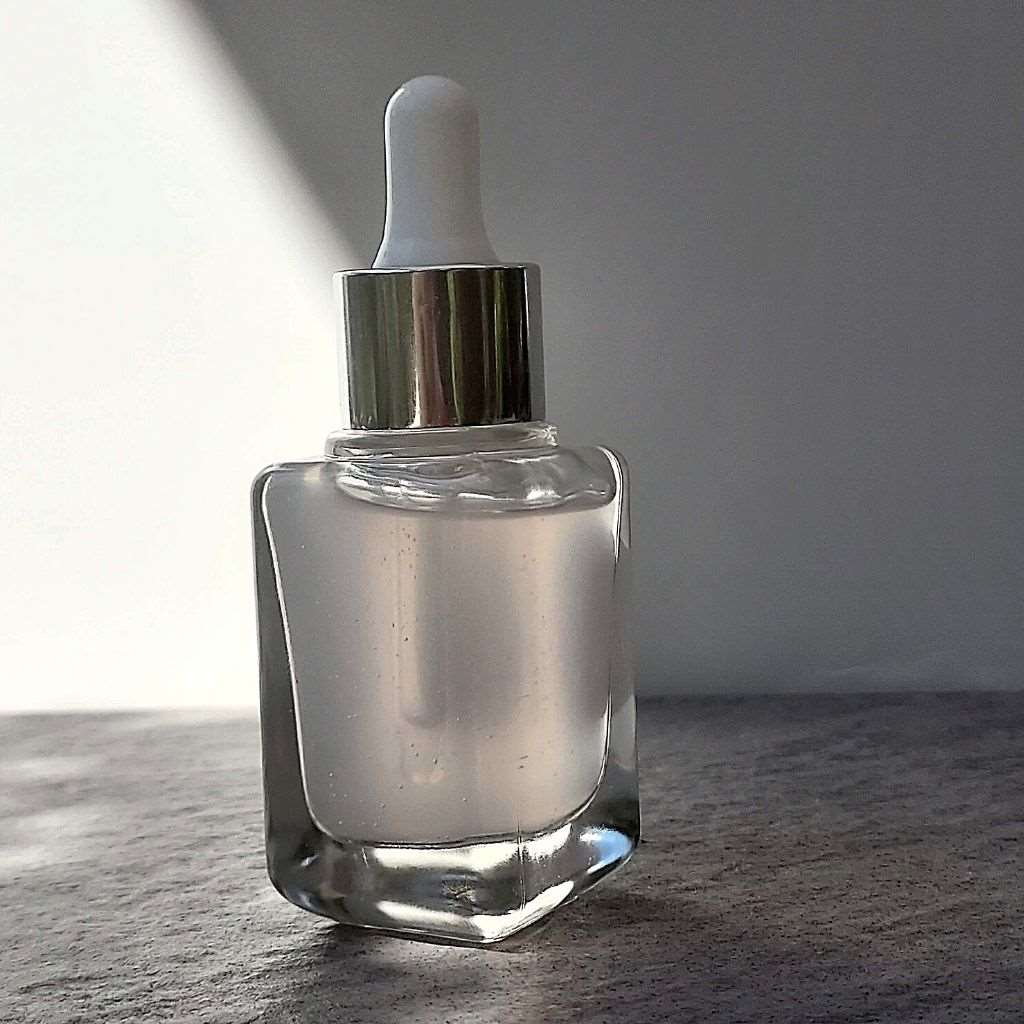
If you have ever tried a traditional retinol product and ended up with a red, flaky, and irritated face, you are certainly not alone. While retinol is often hailed as the gold standard for anti-aging, it can be incredibly harsh on sensitive skin. That is where the DIY retinol alternative serum comes in. Using a powerhouse plant-based ingredient called bakuchiol, you can achieve those same skin-smoothing, collagen-boosting results without the dreaded “retinol burn.” In this guide, we will explore why bakuchiol is taking the skincare world by storm and show you exactly how to whip up your own professional-grade serum at home. Whether you are a seasoned DIY enthusiast or just starting your journey into natural beauty, this recipe is designed to be approachable, effective, and a true treat for your skin.
The world of skincare can be overwhelming, with new “miracle” ingredients popping up every week. However, bakuchiol is different. It is not just a passing trend; it is a scientifically backed botanical that offers a real solution for those who cannot tolerate retinoids. Many of us in the DIY community have spent years looking for that perfect balance between efficacy and gentleness. We want the results – the reduced fine lines, the even skin tone, and the healthy glow – but we do not want the compromise of compromised skin barriers. This DIY retinol alternative serum is the answer we have been waiting for. It allows you to harness the power of nature while maintaining the health and integrity of your skin.
What is Bakuchiol and Why is it the Ultimate Retinol Alternative?
Bakuchiol is a natural antioxidant found in the seeds and leaves of the Psoralea corylifolia (Babchi) plant. While it has been used in Ayurvedic and Chinese medicine for centuries to treat various skin conditions, it has recently gained massive popularity in the Western beauty world as a DIY retinol alternative serum ingredient. Unlike retinol, which is a derivative of Vitamin A, bakuchiol has a completely different chemical structure but functions in a remarkably similar way on the skin. It targets the same cellular pathways as retinoids, which is why it is so effective at addressing signs of ageing.
One of the most fascinating aspects of bakuchiol is its ability to communicate with your skin cells. It encourages them to behave in a more youthful manner, stimulating the production of types I, III, and IV collagen. This is crucial because as we age, our natural collagen production slows down, leading to the formation of wrinkles and a loss of firmness. By incorporating a DIY retinol alternative serum into your routine, you are essentially giving your skin the tools it needs to repair and rejuvenate itself. The best part? It does all this without the side effects of dryness, peeling, or sun sensitivity that often accompany traditional Vitamin A products.
Furthermore, bakuchiol is a powerful antioxidant. This means it helps to neutralise free radicals – those unstable molecules caused by pollution, UV rays, and stress that can damage your skin and accelerate the ageing process. By using a bakuchiol serum, you are not just treating existing concerns; you are also protecting your skin from future damage. This dual-action approach is what makes it such a valuable addition to any skincare regimen. If you are already a fan of our [LINK: DIY niacinamide serum | diy-niacinamide-serum-recipe], adding a bakuchiol serum to your rotation is the perfect next step for a well-rounded DIY skincare regimen that focuses on both protection and repair.
The Incredible Benefits of a DIY Retinol Alternative Serum
Making your own DIY retinol alternative serum is not just about saving money, though that is a fantastic bonus. It is about knowing exactly what is going onto your skin and being able to customise the formula to your specific needs. When you buy a commercial serum, you are often paying for fillers, fragrances, and preservatives that your skin might not even need. By DIYing, you ensure that every single drop of your serum is packed with active, skin-loving ingredients. Here are some of the key benefits you can expect from using bakuchiol:
- Gentle Anti-Aging: It helps to visibly reduce the appearance of fine lines and wrinkles by supporting the skin’s natural elasticity. Unlike retinol, which can cause a “purge” or initial irritation, bakuchiol is generally well-tolerated from day one.
- Evens Skin Tone: Bakuchiol is excellent for fading hyperpigmentation and dark spots. It works by inhibiting the overproduction of melanin, leading to a more radiant and uniform complexion over time.
- No Sun Sensitivity: Unlike retinol, which can make your skin more prone to UV damage and is typically recommended for night use only, bakuchiol is photostable. This means you can safely use it in both your morning and evening routines without fear of increased sun damage.
- Pregnancy Safe: While you should always consult your doctor, bakuchiol is generally considered a safer alternative to retinoids for those who are pregnant or breastfeeding. This is a huge win for mums who want to maintain their skincare results during this time.
- Hydrating and Soothing: When paired with nourishing carrier oils, bakuchiol helps to strengthen the skin barrier rather than stripping it. It has anti-inflammatory properties that can actually help to calm redness and irritation.
Choosing the Best Ingredients for Your Bakuchiol Serum
To create a high-performance DIY retinol alternative serum, you need more than just bakuchiol. The carrier oils you choose will determine how well the serum absorbs and how it feels on your skin. For this recipe, we have selected a blend that works beautifully for most skin types, especially those looking for an extra glow. The quality of your raw materials is paramount, so we always recommend sourcing your ingredients from reputable suppliers who provide high-purity extracts.
Rosehip oil is our top choice as a base because it is naturally high in Vitamin A (trans-retinoic acid) and Vitamin C, providing a synergistic effect with the bakuchiol. It is often referred to as a “dry” oil because it absorbs so quickly into the skin. Jojoba oil is added to mimic the skin’s natural sebum, ensuring the serum sinks in deeply and helps to balance oil production. This makes the serum suitable for both dry and oily skin types. Finally, a touch of Vitamin E acts as an antioxidant to protect the delicate oils from oxidising and provides extra nourishment for your skin cells. For more tips on selecting the right oils for your skin type, check out our guide on [LINK: choosing carrier oils | diy-skincare-ingredients].
DIY Retinol Alternative Serum: The Step-by-Step Recipe
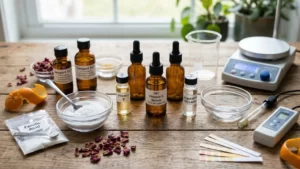
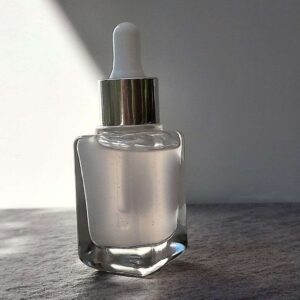
This recipe makes approximately 50ml of serum, which will last you several months. We recommend using a dark glass dropper bottle to protect the botanical extracts from light. Accuracy is important when working with active ingredients, so using a digital scale is highly recommended over using measuring spoons.
| Ingredient | Amount | Purpose |
|---|---|---|
| Rosehip Seed Oil | 30g | Nourishing base, high in vitamins and essential fatty acids |
| Jojoba Oil | 19g | Balancing carrier oil for quick absorption and sebum control |
| Bakuchiol Extract (99% pure) | 0.5g | The active retinol alternative for collagen and cell turnover |
| Vitamin E (Tocopherol) | 0.5g | Antioxidant to protect the formula and nourish the skin |
| Lavender Essential Oil (Optional) | 3-5 drops | Soothing scent and skin calming properties |
Instructions:
- Prepare Your Workspace: Clean and sanitise your glass beaker, stirring tool, and dropper bottle with 70% isopropyl alcohol. This is a crucial step to ensure no bacteria are introduced into your serum.
- Weigh the Oils: Place your beaker on a digital scale and tare it. Carefully weigh out the rosehip seed oil and jojoba oil. These oils provide the luxurious base for your DIY retinol alternative serum.
- Add the Actives: Add the bakuchiol extract and Vitamin E. If you are using essential oils, add them now as well. Remember, a little goes a long way with these potent ingredients.
- Mix Thoroughly: Use a clean glass rod or stainless steel spoon to stir the mixture for about 2 minutes. You want to ensure the bakuchiol is completely integrated into the oils. The mixture should look clear and uniform.
- Bottle and Label: Use a small funnel to pour the serum into your dropper bottle. Don’t forget to label it with the date and the name of the product. Store it in a cool, dark place to maintain its potency.
Tips for Using Your New Bakuchiol Serum
To get the most out of your DIY retinol alternative serum, consistency is key. Skincare is a marathon, not a sprint, and while you might see some immediate hydration, the real anti-aging benefits will become more apparent after 4-8 weeks of regular use. Apply 3-4 drops to clean, slightly damp skin after your water-based serums but before your heavier moisturiser. This helps the oils to lock in moisture and penetrate more effectively. Because it is so gentle, you can use it every single day, even if you have sensitive skin. We can’t wait to hear how your skin glows after using this recipe!
You May Also Like