Introduction: How to Make serum-scars/”>Vitamin C Serum at Home
Vitamin C serums have become a skincare essential due to their brightening, antioxidant, and collagen-boosting properties. If you’re wondering how to make vitamin C serum at home, you’re in the right place. Crafting your own serum enables you to control ingredient quality, concentration, and freshness, ensuring a potent and personalised formula. This complete beginner’s guide will walk you through the key ingredients, optimal percentages, pH requirements, and packaging tips to help you create a stable and effective vitamin C serum.
Understanding Vitamin C and Its Role in Skincare
Vitamin C, scientifically known as L-ascorbic acid, is a powerful antioxidant that protects skin from environmental stressors, supports collagen synthesis, and improves skin tone and texture. However, L-ascorbic acid is notoriously unstable and sensitive to light, heat, and air, which is why formulating a stable serum requires careful attention to ingredient ratios and packaging.
- L-ascorbic acid concentration: Typically ranges from 5% to 20% in serums.
- pH level: Needs to be around 2.5 to 3.5 for optimal absorption and stability.
- Synergistic antioxidants: Ingredients like ferulic acid and vitamin E (tocopherol) enhance stability and efficacy.
Key Ingredients and Their Percentages
Formulating an effective vitamin C serum means balancing potency with stability and skin tolerance. Here’s an overview of essential ingredients and their typical usage rates:
- L-ascorbic acid (Vitamin C): 10% to 15% is ideal for beginners — high enough for efficacy but less likely to cause irritation.
- Ferulic acid: 0.5% to 1% — a plant-based antioxidant that stabilises vitamin C and enhances photoprotection.
- Tocopherol (Vitamin E): 1% — helps prevent oxidation and supports antioxidant activity.
- Distilled water or hydrosol: 70% to 80% — solvent base for dissolving the actives.
- Glycerin or propanediol: 3% to 5% — humectants that hydrate and improve skin feel.
- Preservative: As recommended by the supplier, typically 0.5% to 1% — essential for preventing microbial growth.
Step-by-Step Method: How to Make Vitamin C Serum at Home
Follow this simple, beginner-friendly recipe that balances efficacy and stability:
Ingredients
- L-ascorbic acid powder – 10g (10%)
- Ferulic acid powder – 0.5g (0.5%)
- Tocopherol (Vitamin E) oil – 1g (1%)
- Distilled water – 85g (85%)
- Glycerin – 3g (3%)
- Preservative (e.g., Geogard ECT) – as per manufacturer’s instructions (usually 1%)
Equipment Needed
- Digital scale (accuracy to 0.01g)
- Small glass beakers or mixing bowls
- Magnetic stirrer or glass stirring rod
- pH meter or pH strips
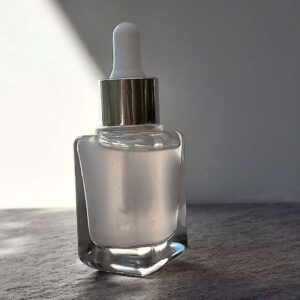
- Dark glass dropper bottle (preferably amber or cobalt blue)
- Funnel (optional)
Instructions
- Dissolve the actives: In a clean beaker, add distilled water and stir in L-ascorbic acid powder until fully dissolved. Then add ferulic acid powder and mix thoroughly. It may take a few minutes for complete dissolution.
- Add humectants: Stir in glycerin to the mixture to improve hydration and skin feel.
- Incorporate tocopherol: Add vitamin E oil and mix gently but thoroughly.
- Adjust pH: Use a pH meter or pH strips to check the serum’s pH. It should be between 2.5 and 3.5 for optimal vitamin C absorption. If necessary, adjust with a few drops of diluted sodium bicarbonate solution to raise pH or a small amount of ascorbic acid powder to lower pH.
- Add preservative: Incorporate the preservative according to supplier instructions to ensure your serum remains fresh and safe.
- Transfer and store: Using a funnel, pour the serum into a dark glass dropper bottle to protect it from light. Store in a cool, dark place or refrigerate for extended shelf life.
Packaging and Storage Tips for a Stable Vitamin C Serum
Packaging plays a crucial role in maintaining the serum’s potency. Because L-ascorbic acid oxidises rapidly when exposed to light and air, follow these tips:
- Use air-tight, dark glass bottles: Amber or cobalt blue bottles shield the serum from UV light.
- Minimise air exposure: Opt for dropper bottles or airless pumps to reduce oxidation.
- Store in cool conditions: Keep your serum in the fridge to slow down degradation.
- Make small batches: Prepare 30ml or less at a time to ensure freshness and maximum efficacy.
Safety Note: Important Considerations When Making Vitamin C Serum
While making your own vitamin C serum is rewarding, it is essential to prioritise safety and skin tolerance:
- Patch test: Always do a patch test before applying vitamin C serum on your face, especially if you have sensitive skin.
- Avoid higher concentrations if new to vitamin C: Start with 5% to 10% L-ascorbic acid to gauge skin reaction, then gradually increase.
- pH matters: Maintaining serum pH between 2.5 and 3.5 ensures both stability and skin compatibility.
- Preservative use: Because your serum contains water, a broad-spectrum preservative is necessary to prevent microbial growth.
- Storage: Do not expose your serum to heat or sunlight. Discard if the serum turns yellow or brown, indicating oxidation.
Conclusion: Start Formulating Your Own Vitamin C Serum Today
Now that you understand how to make vitamin C serum at home with the right ingredients, concentrations, and storage tips, you’re ready to create your own potent antioxidant serum. DIY formulations empower you to customise skincare tailored to your needs while ensuring freshness and ingredient integrity. Remember to start with lower concentrations, maintain proper pH, and protect your serum from light and air to maximise its benefits. With a little practice and care, you’ll enjoy a radiant, glowing complexion from your very own vitamin C serum.
You May Also Like